Cybersecurity basics for startups
Priority security steps for small teams: account security, devices, cloud settings, application security, backups, incident response and customer trust.
By Editorial Team
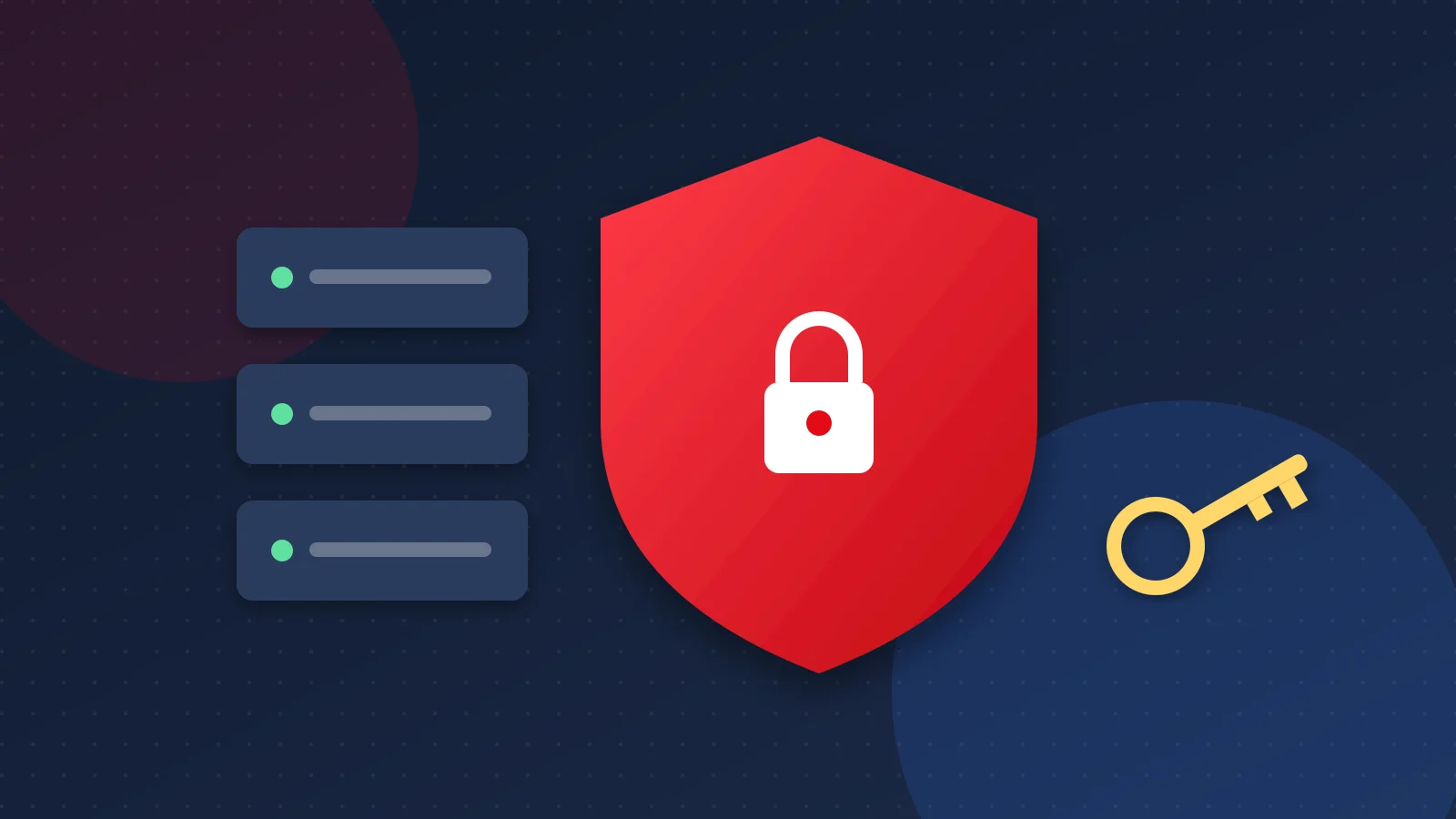
It is a common mistake to think a small startup will not be targeted. Automated attacks do not care about size, and a data breach can instantly damage an early company's reputation and customer trust. The good news: a few basics remove most of the risk.
1. Account security
- Require two-factor authentication on all work accounts.
- Use a password manager and a unique, strong password per service.
- No shared accounts; everyone has their own.
- Revoke access for leavers the same day.
2. Devices
- Keep operating systems and apps updated.
- Turn on disk encryption and screen lock.
- Enable remote wipe for lost or stolen devices.
3. Cloud and infrastructure
- Give admin rights to as few people as possible.
- Regularly check that storage buckets are not public.
- Keep secrets and keys in a secure vault, not the code repository.
- Keep access logs on.
4. Application security
- Always validate user input and use your framework's security features against common web flaws.
- Update dependencies regularly and scan for known vulnerabilities.
- Include security in code reviews.
- Protect forms against bots and abuse.
5. Backups
- Back up critical data automatically and regularly.
- Store backups in a different location.
- Actually test restores; an untested backup is not a backup.
6. Incident response
Write down in advance who does what in a breach: detection, containment, fixing and communication. If personal data is affected, remember KVKK notification duties; see our KVKK guide.
7. Team awareness
Many attacks start with phishing. Teach the team to spot suspicious links and attachments and to confirm urgent requests, such as money transfers, through a second channel.
Customer trust
Enterprise customers send security questionnaires before buying; see our B2B sales guide. Documenting your practices speeds up sales, and these topics come up in due diligence.
Conclusion
There is no perfect security, but the basics remove most risks. Review this list quarterly. Browse cybersecurity startups on our sector page.
This guide is for general information only and is not legal, financial or investment advice. Check official sources and consult professionals for current terms.