How to choose a tech stack for a software startup
What to consider when choosing languages, frameworks, databases and infrastructure: team skills, hiring, scale, cost and common mistakes.
By Editorial Team
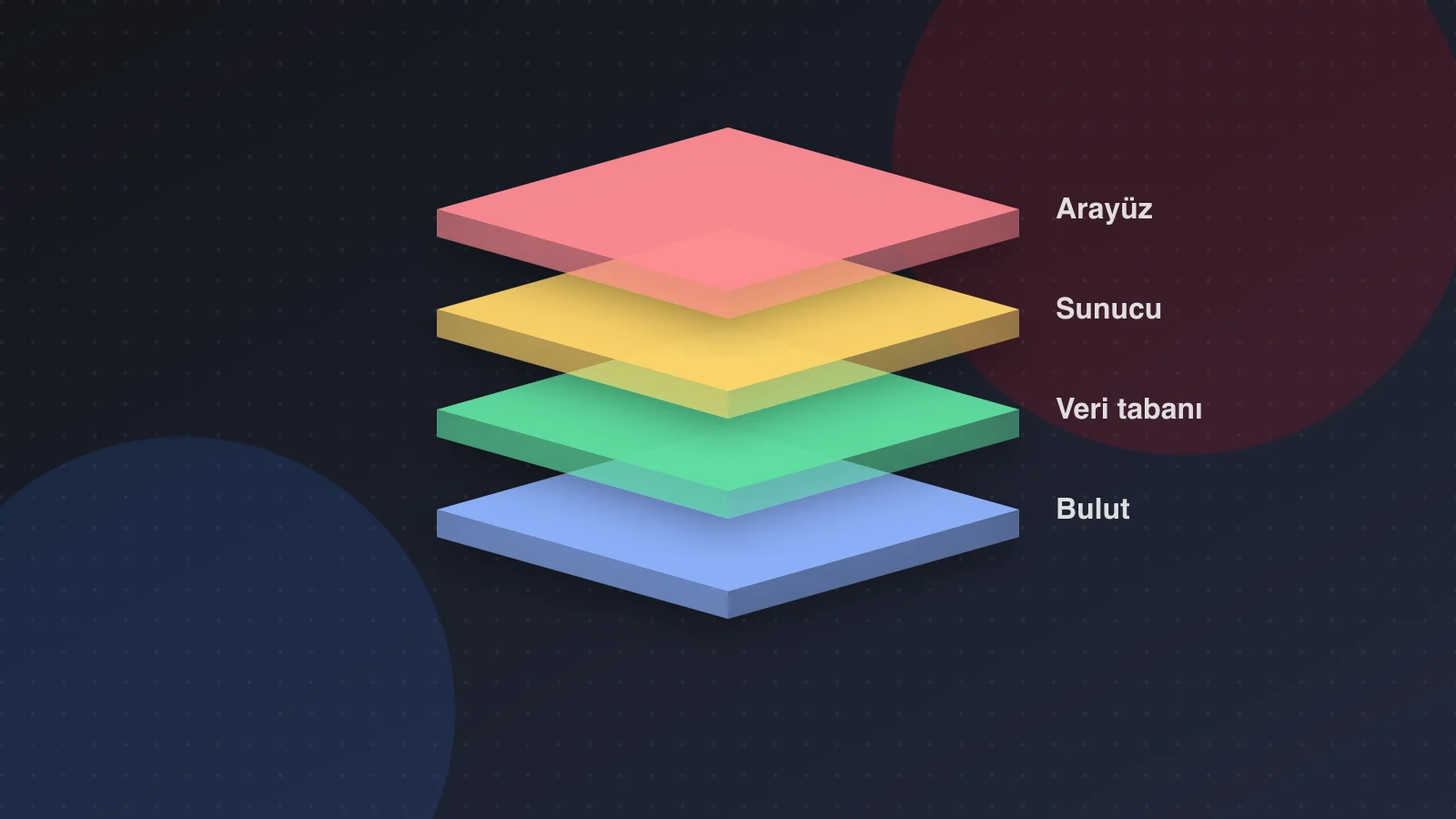
A tech stack is the set of languages, frameworks, databases and infrastructure you use to build your product. This early decision affects development speed, hiring and costs for years. There is no "perfect" stack; what matters is choosing what fits today's needs and team.
Key criteria
1. Team skills
Starting with what the team knows best is usually fastest early on. Time spent learning new technology is time taken from searching for product-market fit; see our MVP guide.
2. Hiring
Widely used technologies make it easier to find developers in Türkiye and target markets. A very niche language or framework can become a bottleneck as you grow; see our engineering team guide.
3. Ecosystem and community
Mature libraries, good documentation and an active community solve problems fast. Mind the licences of open-source components; see our open-source licences guide.
4. The nature of the product
- Real-time apps, heavy data processing, mobile-first or AI-heavy products have different needs.
- For mobile vs web, see this guide.
5. Scale and cost
Scale is rarely a real problem early on. Managed cloud services reduce operational load, but watch costs as usage grows; see our cloud cost guide.
A common, solid start
- One main language and a mature web framework
- A relational database (enough and reliable for most business apps)
- Managed cloud infrastructure and automated deployment; see our DevOps guide
- Off-the-shelf authentication, payments and email services
Common mistakes
- Choosing an unfamiliar technology because it is popular
- Building microservices early out of scaling worries
- Using too many different technologies at once
- Not documenting decisions
Conclusion
A good stack is boring but reliable and lets the team ship fast. Document decisions briefly and revisit them as the product grows. For the load quick decisions create later, see our technical debt guide.
This guide is for general information only and is not legal, financial or investment advice. Check official sources and consult professionals for current terms.