Founders' agreement: what co-founders should agree on early
Equity split, vesting, roles, decision-making, leaver terms and intellectual property: the main points of an agreement that prevents co-founder disputes.
By Editorial Team
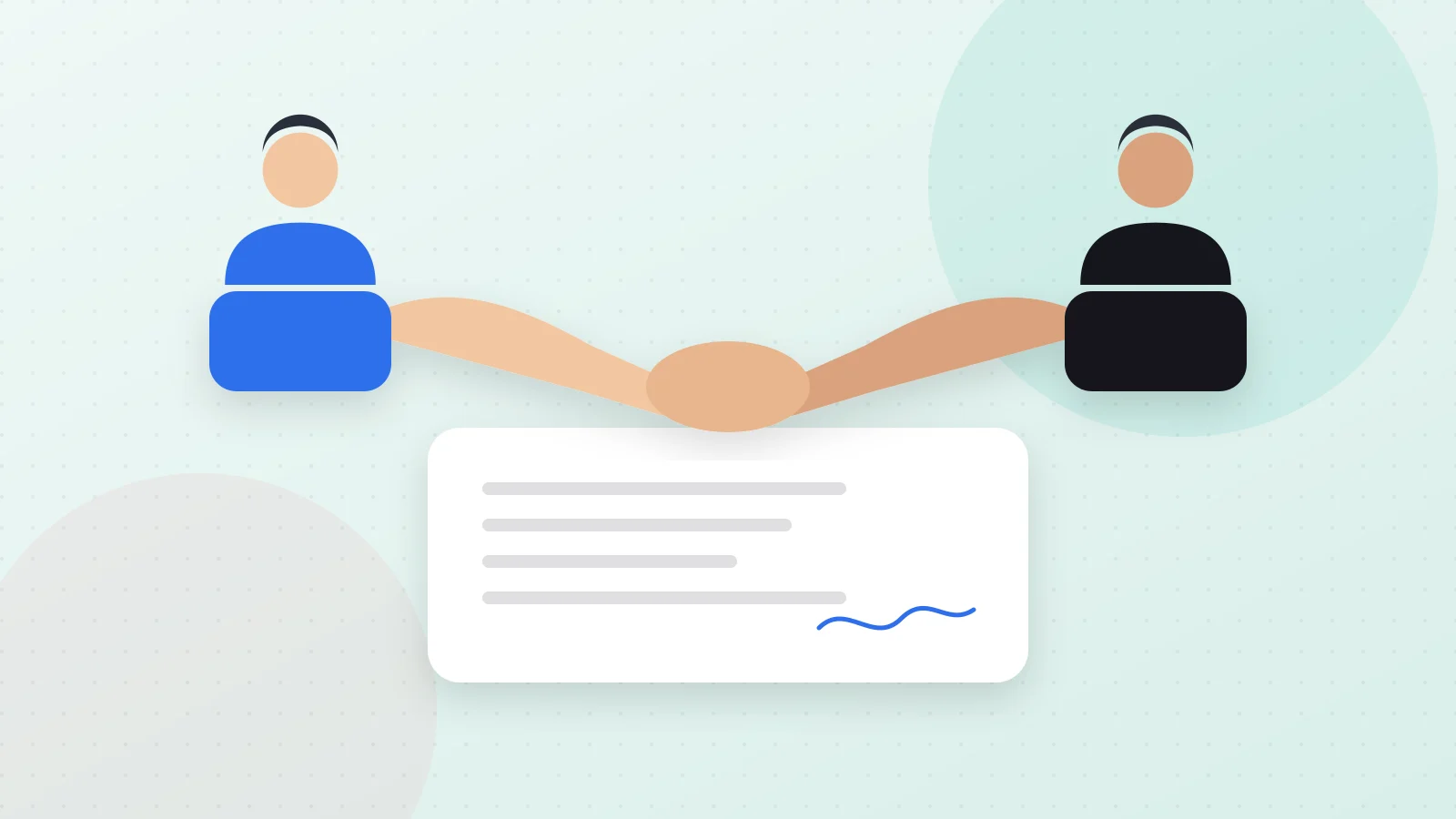
Disputes between co-founders are one of the most common reasons early-stage startups fail. Writing down the topics that feel awkward while things are going well protects both the partnership and the company. Investors also expect these arrangements to be in place before they invest.
Equity split
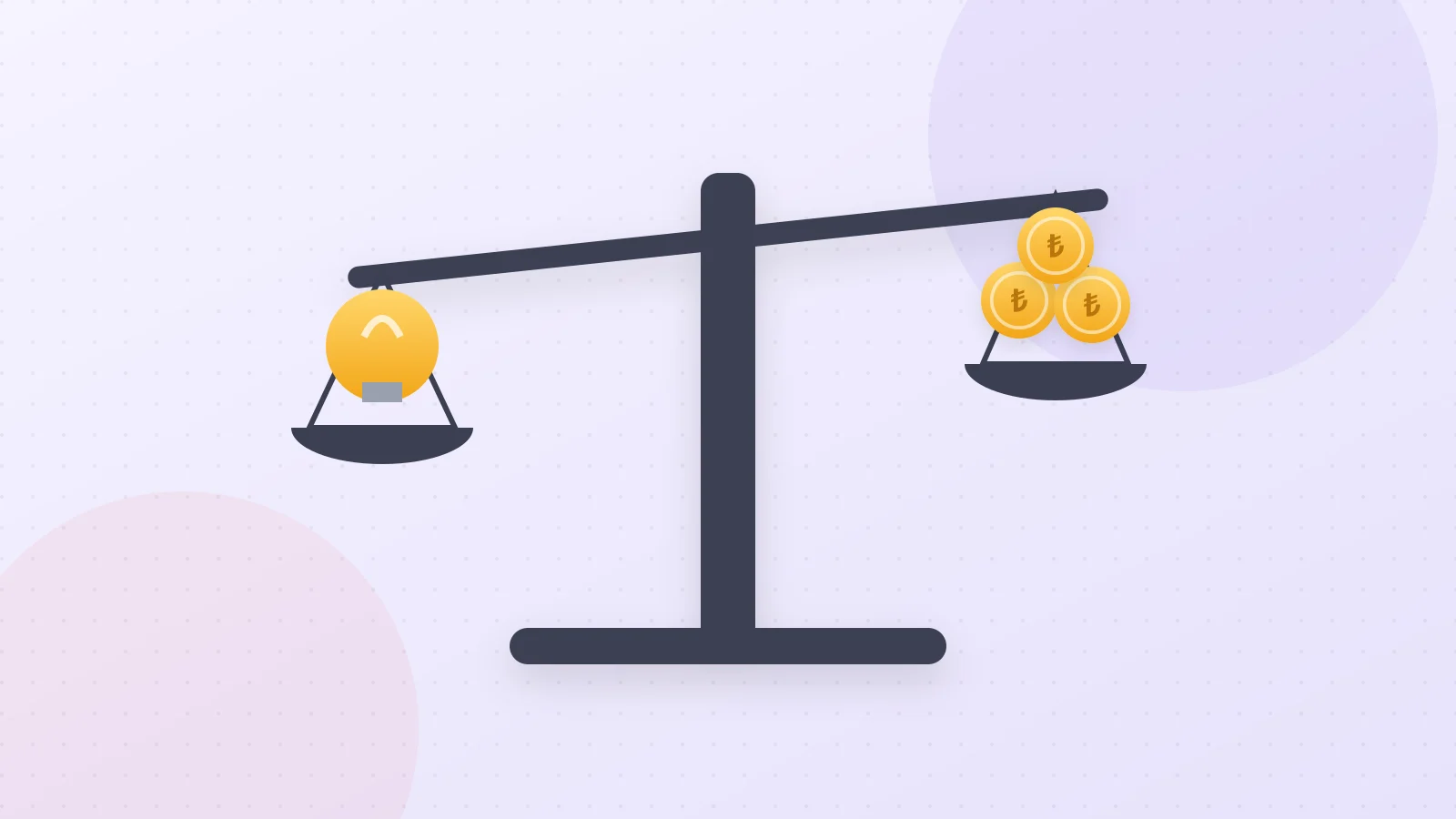
An equal split looks simple but is not always fair. Consider:
- Who contributed what to the idea and the first product
- Who works full-time and who part-time
- Capital, customer network or technical know-how brought in
- The size of future responsibilities
Write down your reasoning. When someone asks "why did we split it this way?", the answer is ready.
Vesting and cliff
Vesting means founders earn their shares over time. The common structure is four-year vesting with a one-year cliff: a founder who leaves in the first year earns nothing; after a year they earn a quarter of their shares, then the rest monthly.
Vesting stops a founder who leaves early from keeping a stake out of proportion to their work, and shows investors the team is committed. These terms are also explained in our glossary.
Roles and responsibilities
Who is CEO, who is CTO? Who decides on product, sales, finance and hiring? Clarify decision areas rather than titles. Roles change as the company grows; say how that will be handled.
Decision-making and deadlock
- Which decisions need a majority and which unanimity?
- What happens if two equal founders cannot agree?
- Consider an independent adviser, or giving the CEO the final say on defined topics.
When a founder leaves
One of the most important sections:
- Good leaver: a founder leaving for reasonable causes, such as health, usually keeps or sells their vested shares at fair value.
- Bad leaver: a founder leaving to compete or for serious misconduct usually has shares bought back at a low price.
- State who receives unvested shares and at what price.
Intellectual property
State clearly that software, designs, brands and other IP created by the founders before and after incorporation belong to the company. It is one of the first things investors check in due diligence; see our seed round guide.
Non-compete and confidentiality
Add clauses, reasonable in duration and scope, so founders do not compete with the company and keep its information confidential. Under Turkish law such restrictions must be proportionate in time, place and subject.
Company type and formal documents
The founders' agreement can be a shareholders' agreement separate from the articles of association. Share transfer rules differ between limited and joint-stock companies; if you plan to raise investment, discuss this with a lawyer when incorporating.
Conclusion
A founders' agreement is a sign of a solid partnership, not of mistrust. This guide is general information; prepare your agreement with a lawyer experienced in company law.
This guide is for general information only and is not legal, financial or investment advice. Check official sources and consult professionals for current terms.