Finding B2B customers on LinkedIn
Preparing the founder profile, defining the audience, valuable content, personalised connection requests and messages, follow-up and measurement.
By Editorial Team
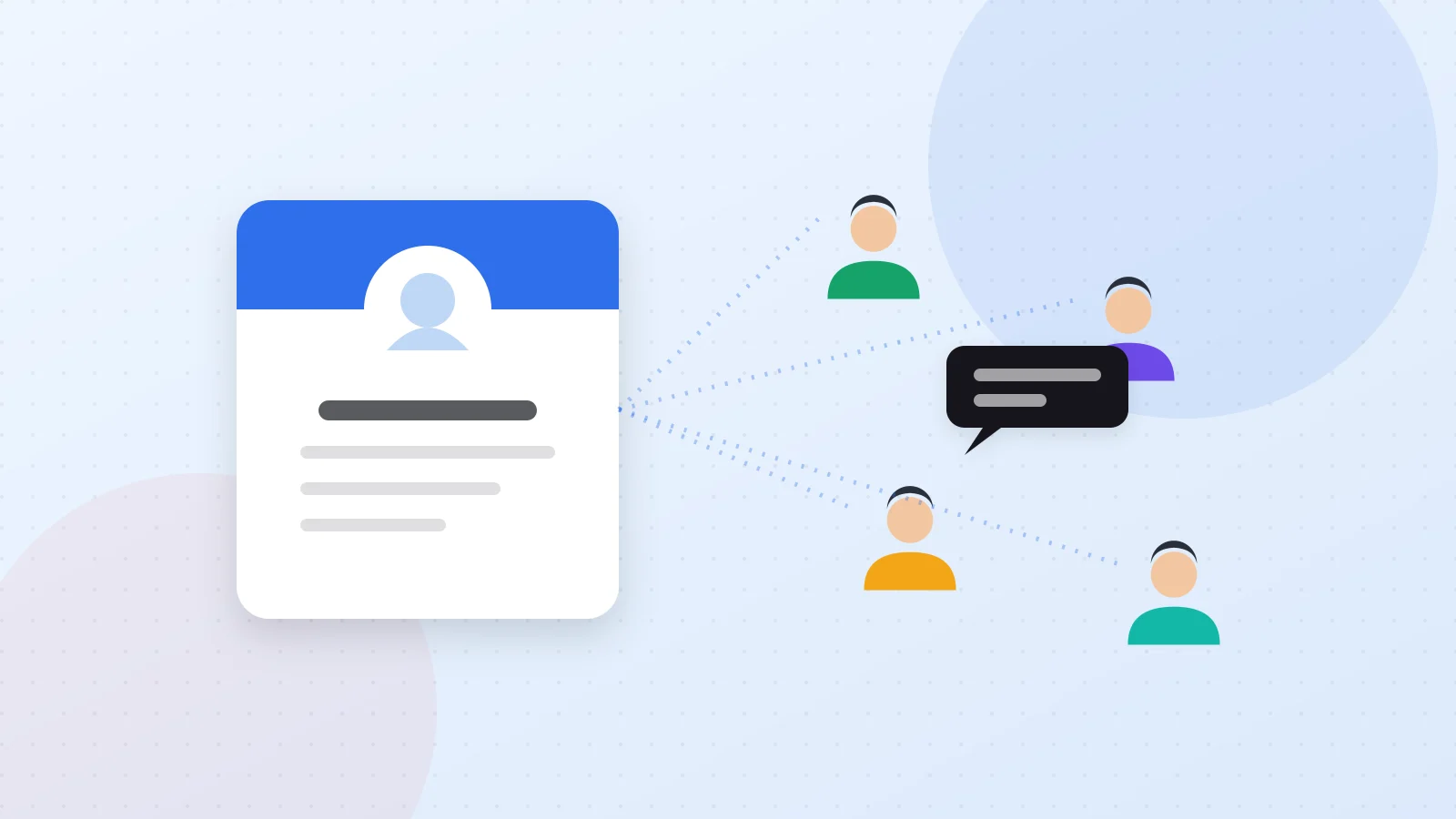
LinkedIn is one of the most powerful platforms for reaching business decision-makers directly. Used well, it brings awareness and sales meetings; used badly, you become a spam account.
1. Prepare the founder profile
- Headline: say who you help and how instead of a title: "Helping small businesses get paid faster | Founder, X".
- About: describe the problem, solution and who it is for, briefly.
- Featured: customer stories, a demo video, press coverage
- A professional photo and a link to the company page
2. Audience
Define your ideal customer: sector, company size, title and location; see our B2B sales guide. Use search filters to build a small, focused list.
3. Content
Post two or three times a week about your audience's problems:
- Industry observations and data
- Customer stories and lessons learned
- Short guides and checklists
Focus on trust, not selling; see our social media strategy.
4. Connections and messages
- Add a short, personal note to connection requests explaining why.
- Do not pitch the moment a connection is accepted.
- Ask a question or share a useful resource in the first message.
- Keep meeting requests clear and short: "Could I hear about your experience in a 20-minute call?"
Email principles apply to LinkedIn messages too; see our investor email guide.
5. Follow-up
If there is no reply, follow up after a week with something new. Stop after two follow-ups.
6. Measurement
- Connection acceptance rate
- Message reply rate
- Meeting rate
- Meeting-to-customer rate
Review weekly and refine your messages.
Watch out
- Automated mass-messaging tools can breach platform rules and get your account restricted.
- Use personal data lawfully; see our KVKK guide.
Conclusion
Success on LinkedIn comes from a patient, relationship-based approach. For first customers, see our first 100 customers guide.
This guide is for general information only and is not legal, financial or investment advice. Check official sources and consult professionals for current terms.