What is an MVP and how do you build one?
The purpose of a minimum viable product, types of MVP, how to choose what goes in, how to measure success and the most common mistakes.
By Editorial Team
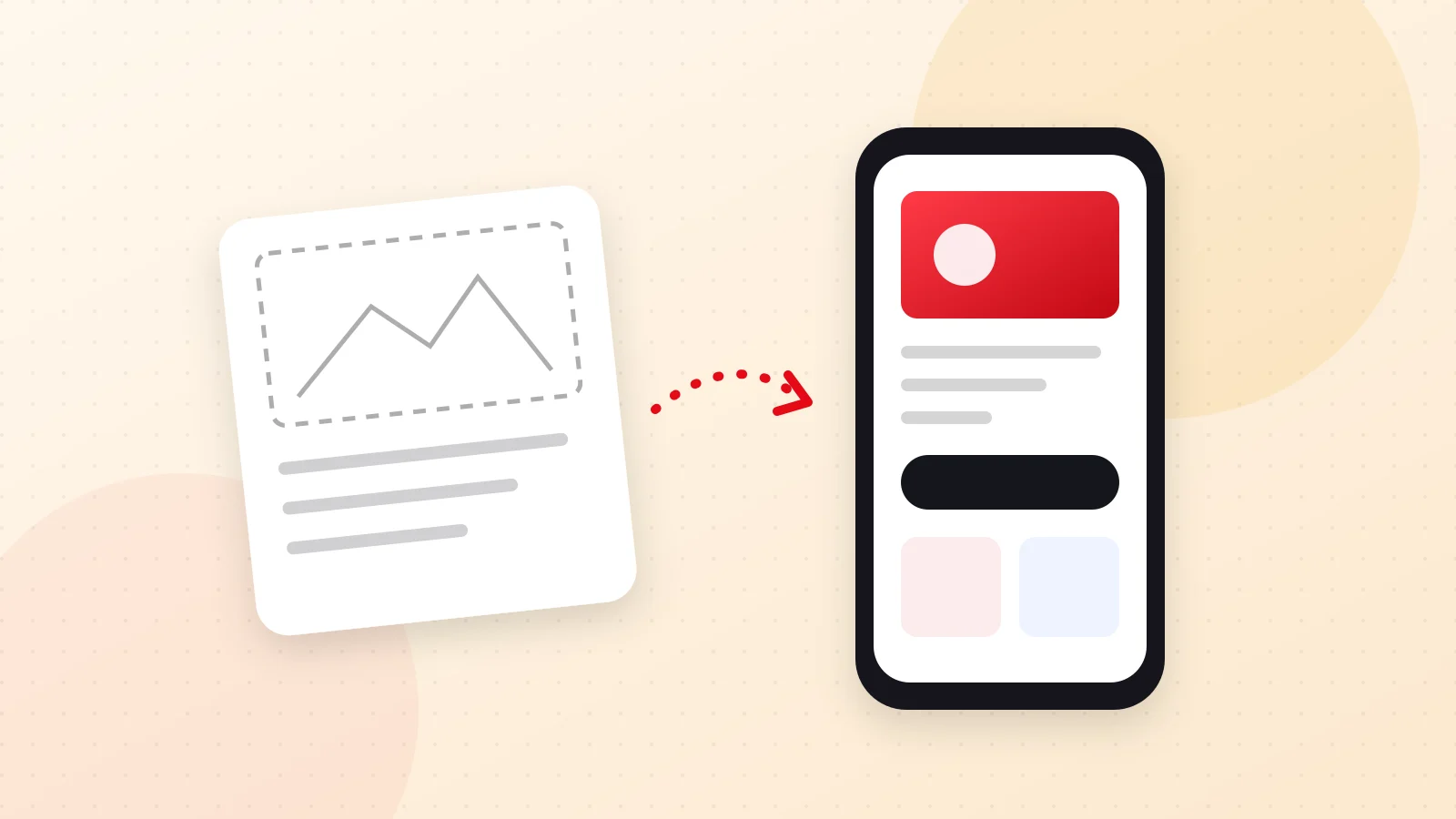
An MVP (minimum viable product) is the first version of a product that lets you learn, with the least effort, whether real users want what you are building. The goal is not a perfect product but a fast test of your most critical assumption.
Why an MVP matters
- It stops you spending months on something nobody wants.
- It gets you early feedback from customers.
- It gives investors evidence beyond the idea. At the early stage the question investors ask most is "Who is using this?"
Start with the assumption
Before building, answer this: what is the riskiest assumption that must be true for this business to work? For example, "Small businesses will pay a monthly fee to issue invoices this way." The MVP is designed to confirm or disprove it.
Types of MVP
Landing page
A page describing the product with a sign-up or pre-order button. The fastest way to measure interest.
Concierge MVP
You deliver the service manually, without automation. Ideal for understanding the problem deeply with a few customers.
Wizard of Oz MVP
Users think they are using an automated product, but work is done by hand behind the scenes. You test behaviour without technical investment.
Single-feature product
You ship one working feature that solves the core problem. The most common type for software startups.
No-code prototype
Form, spreadsheet and automation tools can produce a working version in days rather than weeks.
What goes in?
- Write the user's core problem in one sentence.
- List the must-have steps to solve it.
- Move everything else to a "later" list: advanced settings, integrations, multiple languages, detailed reports.
- The experience can be simple but must be reliable. A buggy product tests the execution, not the idea.
How to measure success
Define success before launch:
- What share of sign-ups actually use the product?
- Do users come back after a week or a month (retention)?
- Is anyone willing to pay?
- Do users recommend it to others?
See our guide to the metrics investors look at for details.
Common mistakes
- Building too much: delaying launch for months with "one more feature"
- Testing with the wrong audience: asking only friends and family
- Not collecting data: interpreting without measuring behaviour
- Ignoring a negative result: if the assumption fails, a pivot is learning, not failure
After the MVP
If users use the product regularly and start paying, you are approaching product-market fit. You are then in a strong position to meet angel investors or apply to incubation and acceleration programmes. You can list your startup on Türkiye Startups for free.
This guide is for general information only and is not legal, financial or investment advice. Check official sources and consult professionals for current terms.