How to build a marketplace startup
How two-sided marketplaces work, the chicken-and-egg problem, which side to start with, revenue models, trust and quality, metrics and common mistakes.
By Editorial Team
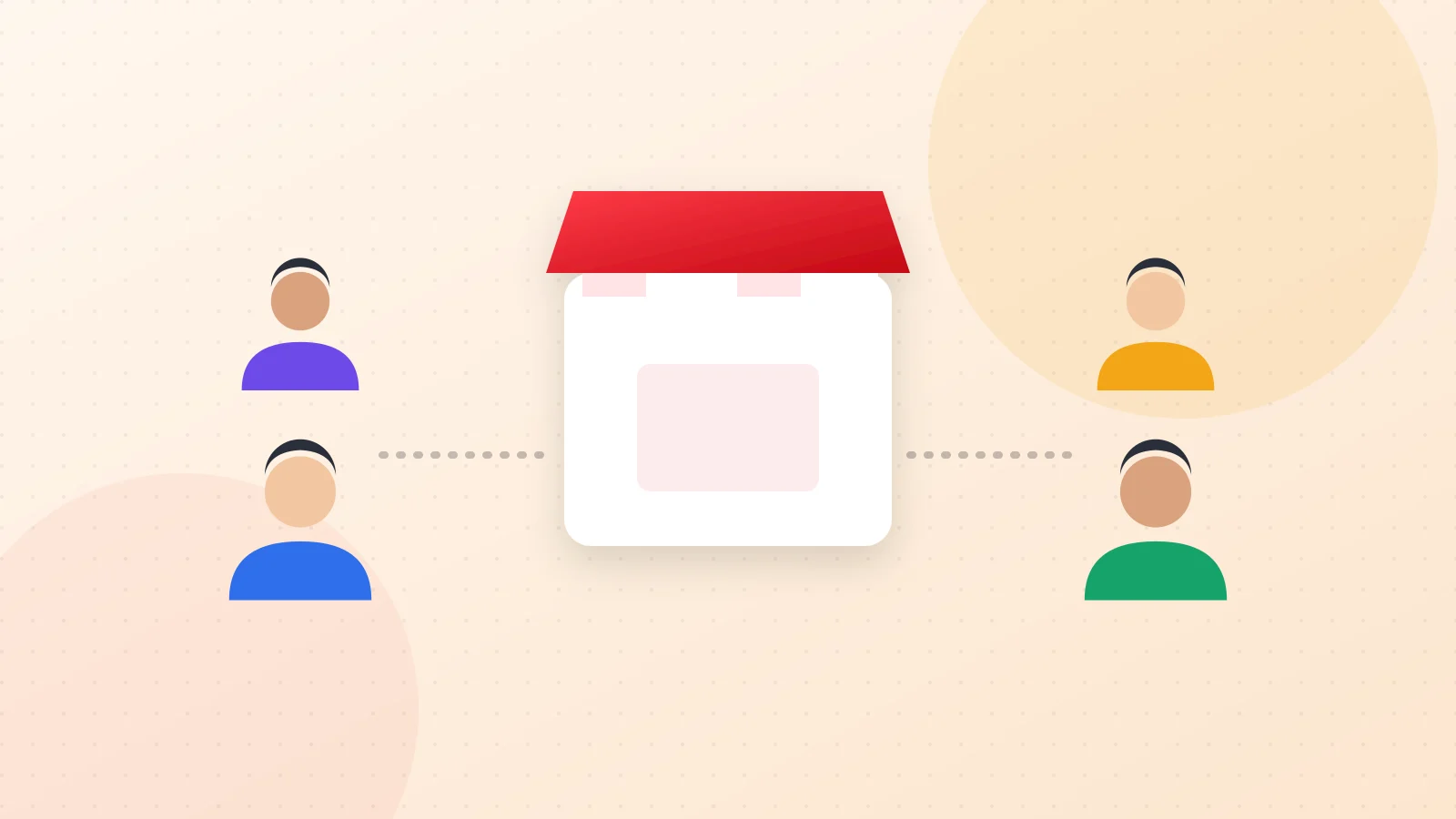
Marketplaces bring buyers and sellers (or service seekers and providers) together. Built well, strong network effects make them more valuable as they grow; but the early stage is much harder than for one-sided products.
The chicken-and-egg problem
Buyers will not come to a platform without sellers, and sellers do not want to list where there are no buyers. This is the first and most critical problem for marketplace startups.
How to solve it
- Start narrow: one city, one category or one segment. Density in a small area beats sparseness in a large one.
- Build supply first: in most marketplaces the supply side is easier to win by hand. Visit your first sellers one by one.
- Create single-player value: for example, give sellers a free management tool, then bring buyers.
- Generate demand yourself: feed the buyer side early with direct marketing and partnerships.
See our first 100 customers guide for winning early users.
Revenue models
- Commission: a percentage of each transaction (most common)
- Listing or subscription fees paid by sellers
- Promotion and ads for visibility
- Add-on services: payments, logistics, insurance
Trust and quality
A marketplace's value depends on transactions completing safely: verified profiles, reviews, secure payments and dispute resolution. To reduce disintermediation, staying on the platform must bring real benefits.
Key metrics
- GMV (gross merchandise value)
- Take rate: platform revenue as a share of GMV
- Liquidity: how often and how fast listings sell or requests are met
- Repeat buyer and seller rates
Common mistakes
- Opening too many cities or categories at once
- Growing supply and demand out of balance
- Raising commission too early
- Neglecting trust and quality for scale
Conclusion
Building a marketplace takes patience, but once a platform reaches liquidity its growth feeds itself. Clarify your model with our business plan guide, and browse e-commerce and marketplace startups on our sector page.
This guide is for general information only and is not legal, financial or investment advice. Check official sources and consult professionals for current terms.