Pricing strategy for startups: how to set the right price
Value-based pricing, subscription and usage-based models, tiers, free trials and freemium, price testing and managing price increases.
By Editorial Team
Pricing is one of the decisions with the fastest impact on revenue, yet many startups set prices by looking at competitors or guessing. The right price shapes both customer acquisition and the company's sustainability.
Three approaches
Cost-plus
Add a margin on top of cost. Simple, but for low-marginal-cost products such as software it does not reflect what customers are willing to pay.
Competitor-based
Use competitors' prices as a reference. Useful for understanding the market but can stop you pricing your difference.
Value-based
Base the price on the value the product creates for the customer (savings, extra revenue, time saved). If your product saves a customer 20 thousand a month, asking for part of that is reasonable. This is the healthiest approach for startups.
Pricing models
- Subscription (monthly / yearly): predictable revenue; an annual discount improves cash flow. See our cash flow guide.
- Usage-based: pay per transaction, user or volume; revenue grows with the customer.
- Per seat: common and easy to understand for team software.
- Commission: marketplaces take a share of transaction volume.
- One-off licence + maintenance: seen in enterprise products that need installation.
Tiers
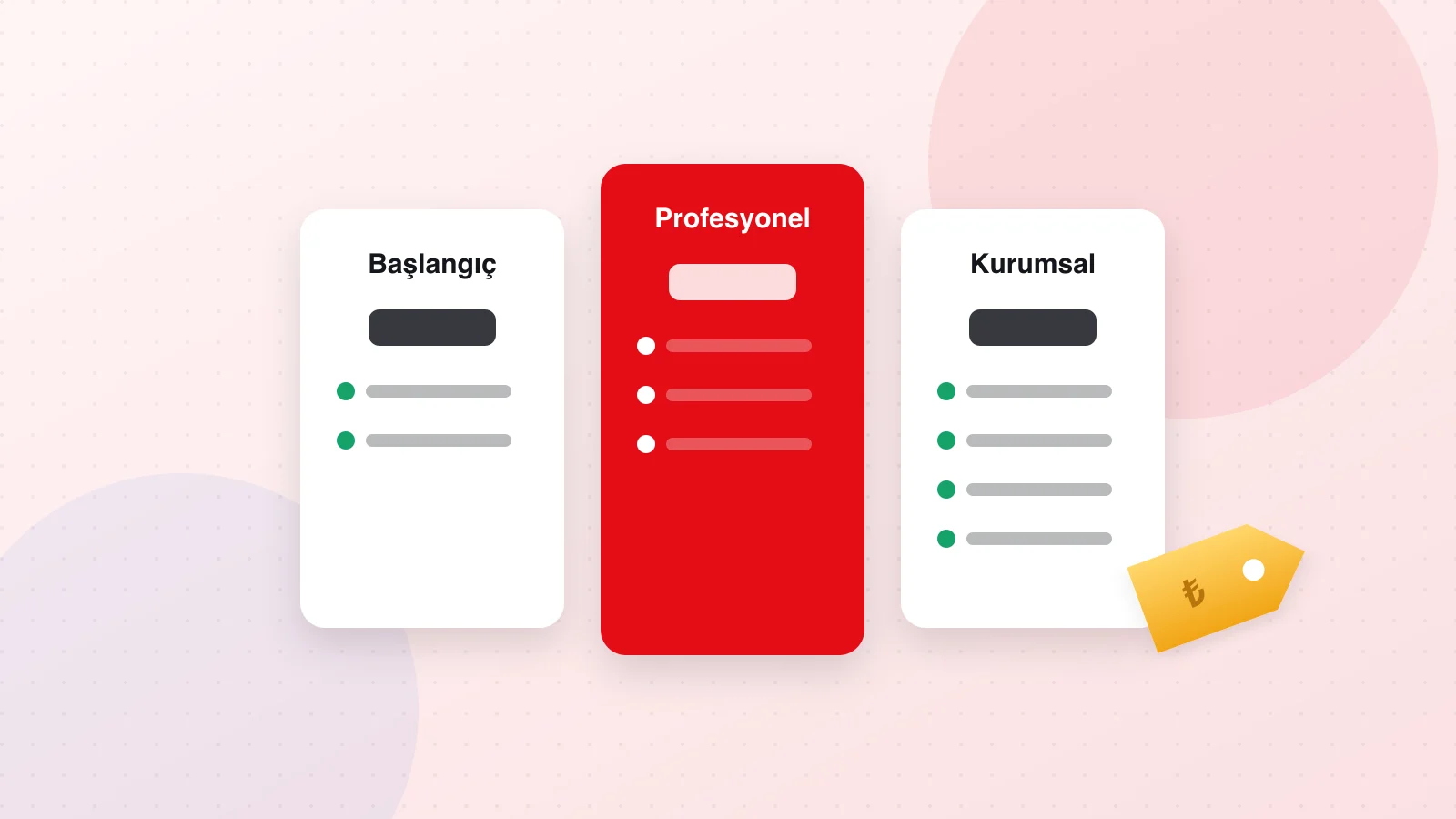
Most software startups start with three:
- Starter: core features for small customers
- Professional: the highlighted tier you most want to sell
- Enterprise: advanced features, support and custom pricing ("Contact us")
Split tiers by genuinely different needs of customer segments.
Free trials and freemium
- Free trial (for example 14 days): suitable if you can show value quickly.
- Freemium: a permanent free version; suitable for a broad user base and viral growth, but track the cost of free users and the conversion rate closely.
Testing price
- In customer interviews, measure reactions to specific price points rather than asking "what would you pay?"
- Try different prices for new customers and compare conversion.
- If nobody ever objects, your price is probably too low.
Raising prices
- Notify existing customers in advance with the reasons.
- Offer loyal customers a transition period or a grandfathered price for a time.
- Announce increases together with new value (features, support).
- In periods of high inflation, write a price-update policy into contracts from the start.
Common mistakes
- Starting too low and struggling to raise later
- Too many tiers and a complicated price table
- Setting a price once and never revisiting it
Conclusion
Price is a message about your product's value. Start value-based, test and review at least once a year. To measure the effect, see startup metrics, and for the business model see our business plan guide.
This guide is for general information only and is not legal, financial or investment advice. Check official sources and consult professionals for current terms.