SAFEs and convertible investments explained
Raising without setting a valuation: how SAFEs and convertible notes work, valuation caps, discounts, pros and cons and practice in Türkiye.
By Editorial Team
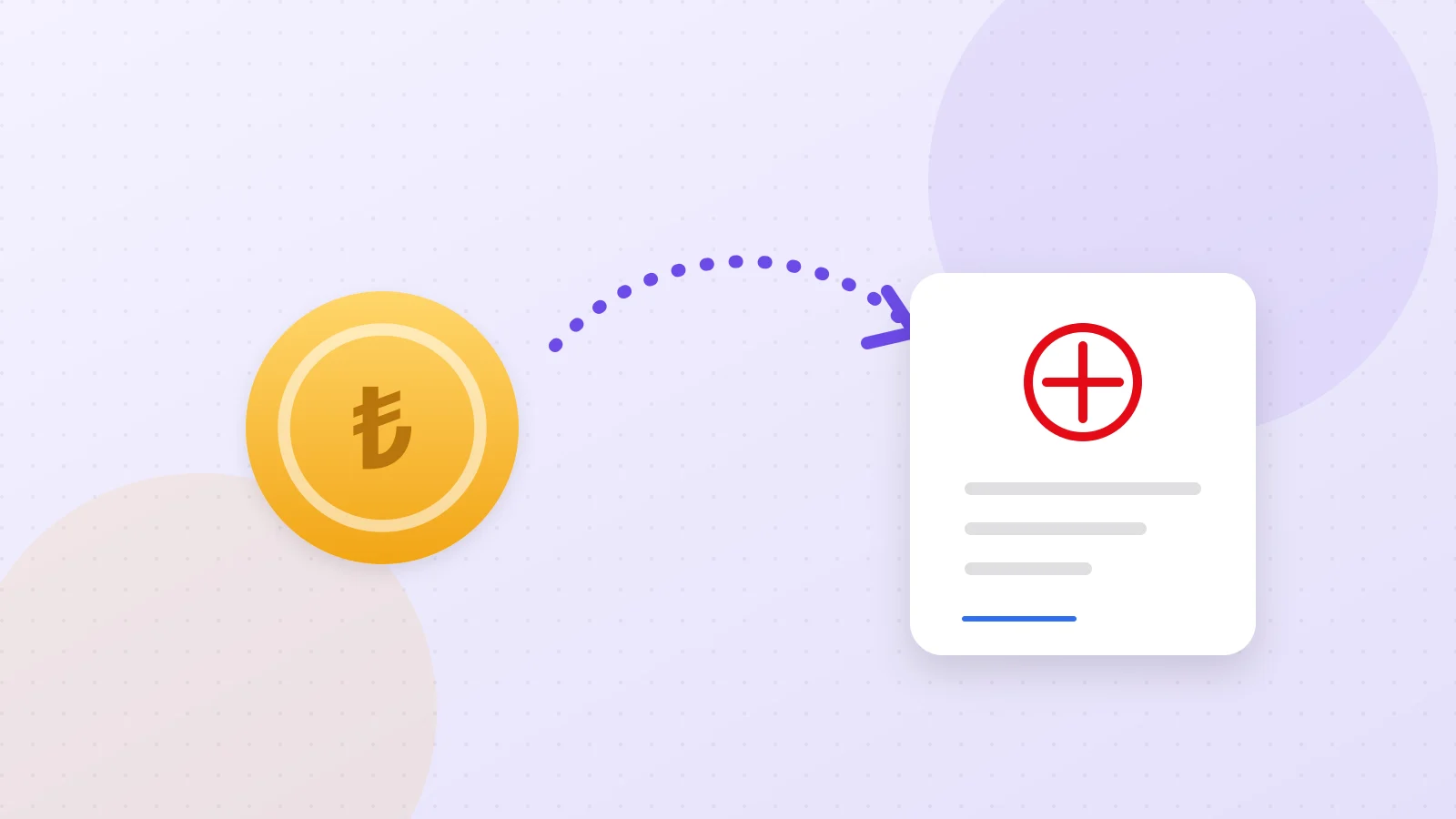
Valuing a very early startup is hard, and negotiating it can slow a deal down. Convertible instruments let an investor put money in today and receive shares later, usually at the next priced round. The two best-known types are the convertible note and the SAFE.
How they work
- The investor transfers an amount to the company today.
- No shares are issued yet and no valuation is set.
- When the company raises a priced round later (such as seed or Series A), the money converts into shares on that round's terms.
- Because the investor took early risk, they get an advantage at conversion.
Key terms
Valuation cap
The maximum company value used at conversion. If the next round is priced above the cap, the investor converts at the cap. The cap protects early investors from excessive dilution.
Discount
The investor converts at a discount to the next round's price, commonly 10–25 percent. If there is both a cap and a discount, whichever is better for the investor applies.
Convertible note vs SAFE
- A convertible note is legally debt, with interest and a maturity date. If it has not converted by maturity, repayment or conversion must be addressed.
- A SAFE (simple agreement for future equity) is a simpler US-developed contract that is not debt and has no interest or maturity.
Advantages
- Postpones the valuation debate and speeds up investment.
- Fewer documents and lower legal cost than a priced round.
- Suits raising small amounts from different investors at different times.
Risks
- Dilution surprise: several convertibles together can dilute founders more than expected at the priced round. Model the cap table under different scenarios with every new instrument.
- Low cap: a low cap effectively means accepting a low valuation. See our valuation guide.
- Maturity (for notes): state clearly what happens if no round happens by maturity.
Practice in Türkiye
The SAFE is designed for US law and has no direct equivalent in Turkish company law. For companies incorporated in Türkiye, a similar result is usually achieved with convertible loan agreements, contracts with commitments to transfer shares or increase capital later, or by using a SAFE through a parent company abroad. Moving the parent company abroad is covered in our international expansion guide. Always work with a lawyer on the right structure.
Conclusion
Convertible instruments provide fast, flexible early funding, but the cap, discount and total dilution must be calculated carefully. For priced-round concepts, see our term sheet guide.
This guide is for general information only and is not legal, financial or investment advice. Check official sources and consult professionals for current terms.