Open vs closed AI models: which should startups choose?
Differences between open-weight and closed (API) models: performance, cost, data control, licensing, infrastructure and hybrid approaches.
By Editorial Team
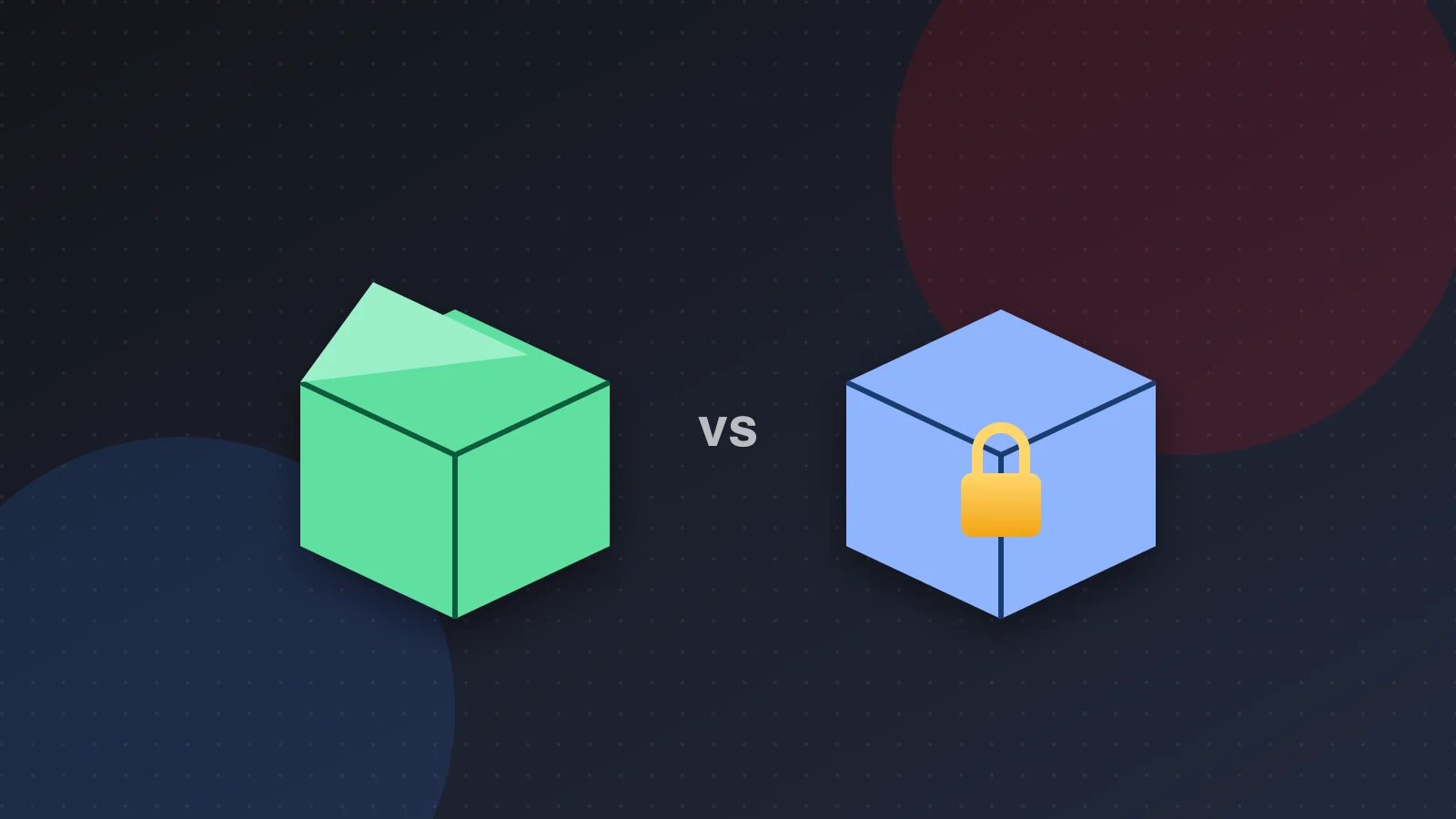
One of the first decisions for startups building AI features is which model to use. There are two basic options: closed models offered via API by major providers, and open-weight models you can download and run on your own infrastructure.
Closed (API) models
- Pros: usually the highest general performance, no setup, constant updates, scaling handled by the provider.
- Cons: per-use cost, data sent to the provider, dependence on the provider's pricing and terms, no access to model internals
Open-weight models
- Pros: keep data on your own infrastructure, freedom to customise and fine-tune, unit cost advantages at high volume, less vendor lock-in
- Cons: infrastructure and operations load (GPUs, scaling, security), performance that can lag the latest closed models, licence terms that need careful review
"Open" model licences differ; some restrict commercial use or use above certain scales. See our open-source licences guide.
Selection criteria
- Task performance: test on your own data and target languages, including Turkish; see Turkish NLP.
- Data sensitivity: in health or finance, where data is processed can be decisive; see AI and KVKK.
- Volume and cost: APIs suit low volume; your own infrastructure can win at very high volume; see AI costs.
- Team skills: hosting models needs ML and infrastructure expertise.
Hybrid approach
Many startups use a strong closed model for complex tasks and a small open model for simple, high-volume tasks. An architecture that makes switching easy keeps you flexible.
Conclusion
The right choice depends on the task, data sensitivity and scale. APIs for a fast start, open models for control and scale. To compare model quality, see our evaluation guide.
This guide is for general information only and is not legal, financial or investment advice. Check official sources and consult professionals for current terms.