AI costs and unit economics: building a profitable AI product
Where AI costs come from, calculating cost per user, pricing models, cost reduction techniques and tracking gross margin.
By Editorial Team
In traditional software, serving one more user costs very little. In AI products every request has a compute cost. AI startups must track unit economics from day one; for general metrics see our startup metrics guide.
Where costs come from
- Model usage: APIs usually charge by input and output tokens
- Infrastructure: GPU and server costs if you host models; see open vs closed models
- Search and data: vector databases, storage, processing
- Human input: labelling, quality control, support
Cost per user
- Measure average requests per user per month.
- Calculate average tokens and model cost per request.
- Add infrastructure and other costs.
- Compare with revenue per user.
Heavy users can cost far more than average; look at the distribution.
Pricing
- Per-seat subscription + usage cap: predictable revenue, protection against heavy use
- Usage-based: directly tied to cost
- Outcome-based: per task completed or ticket resolved; value-focused
See our pricing guide.
Cutting costs
- Model routing: send simple tasks to small, cheap models and complex ones to strong models.
- Caching: cache repeated prompts and fixed context.
- Shorter prompts: remove unneeded instructions and context; see our prompt guide.
- Batching: run non-urgent work in cheaper batches.
- Less but better context: send only the most relevant chunks in RAG; see RAG.
- Fine-tuned small models: can cut cost significantly for narrow tasks; see fine-tuning.
Tracking gross margin
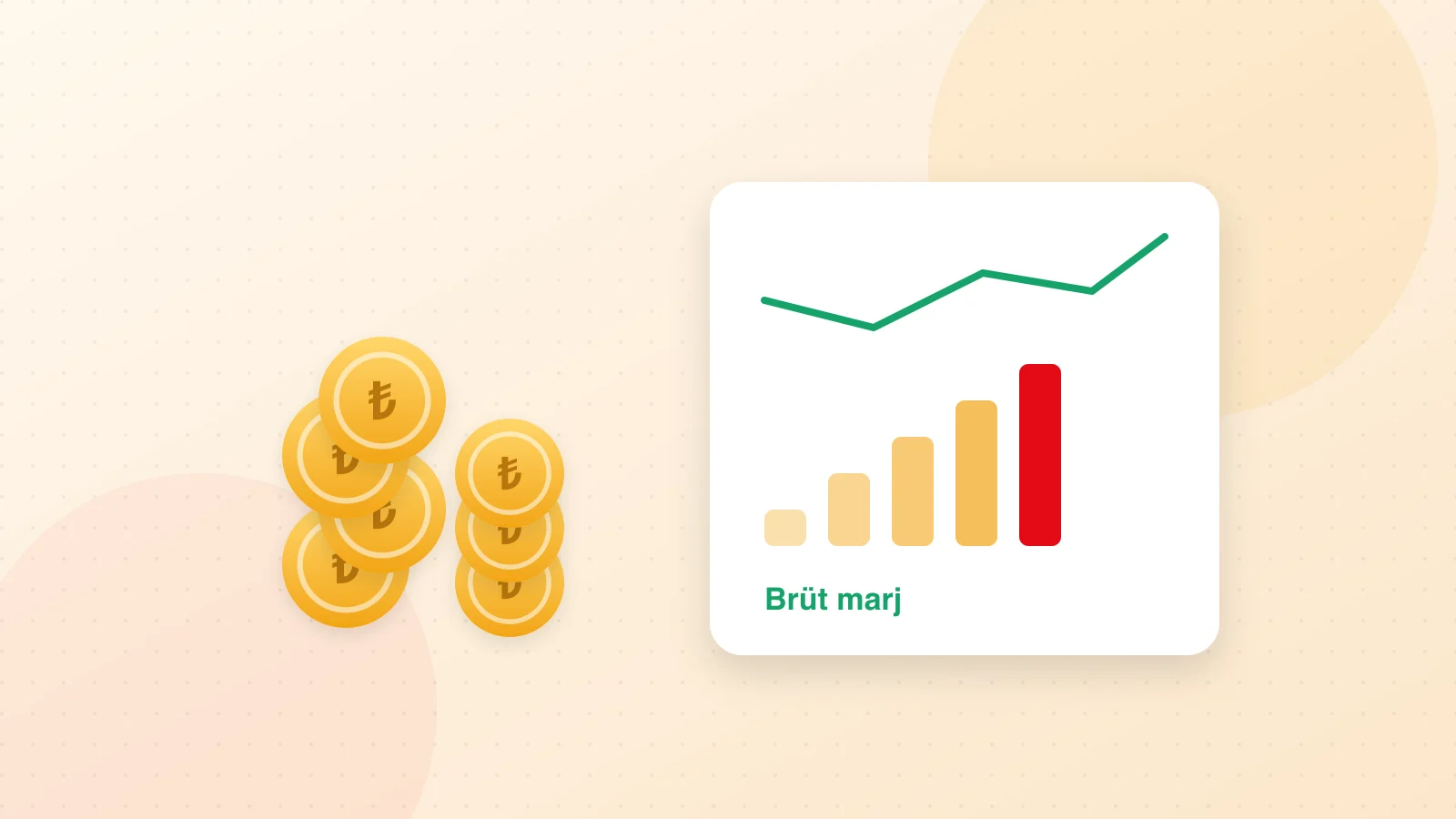
Include AI costs in gross margin and track them per feature. Model prices tend to fall over time, but total cost grows with usage; see cloud costs.
Conclusion
A profitable AI product designs value and cost together. Measure and optimise cost without sacrificing quality; for quality, see our evaluation guide.
This guide is for general information only and is not legal, financial or investment advice. Check official sources and consult professionals for current terms.