API products and the API economy: a guide for startups
Offering an API as a product, developer experience, documentation, pricing models, security, versioning and developer community.
By Editorial Team
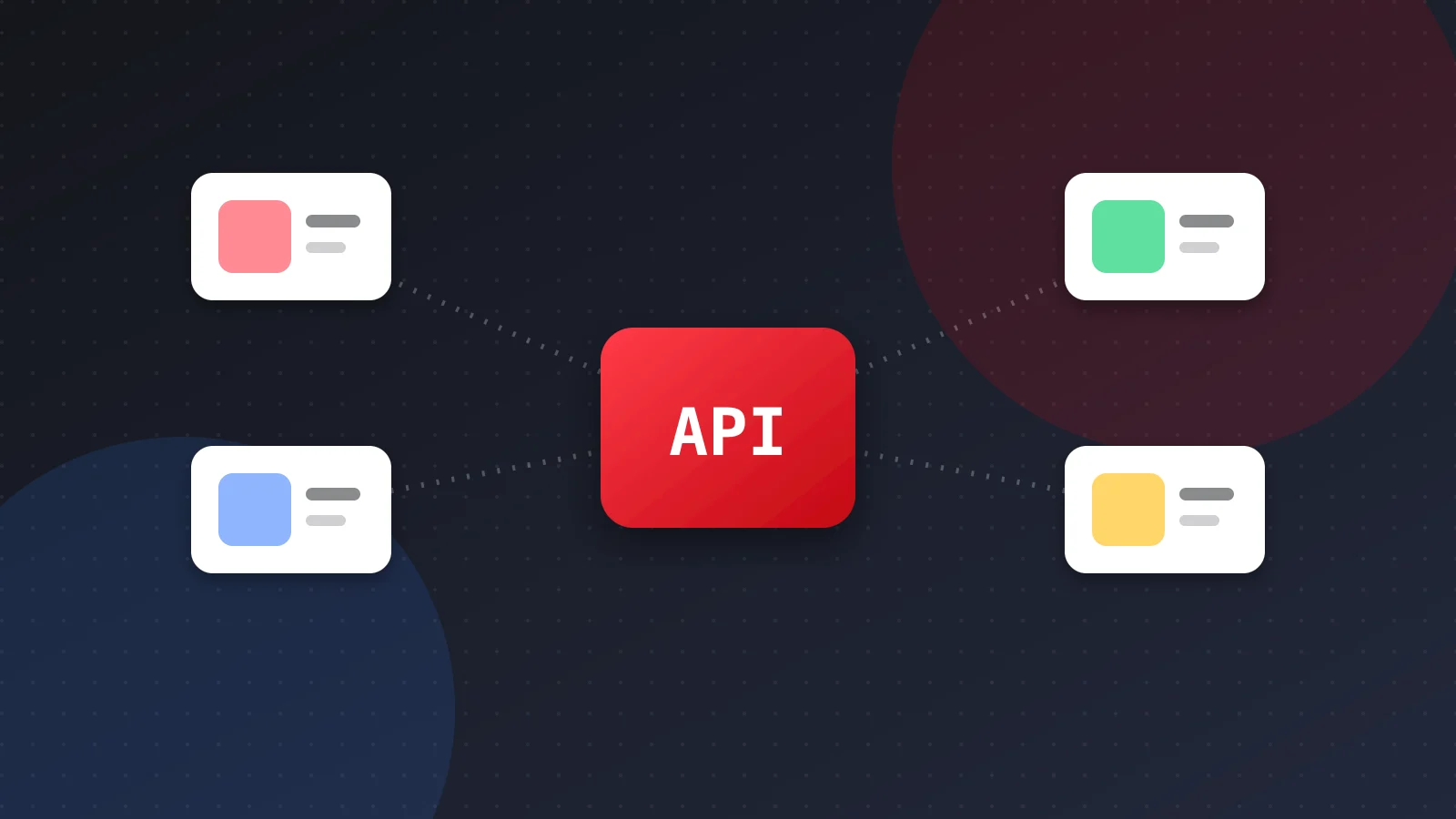
An API (application programming interface) lets software talk to other software. Payments, messaging, authentication, maps and AI are all offered as APIs today. Startups offering an API as their main product embed themselves in customers' products and gain a strong, durable position.
The API as a product
The real users are developers, while buying decisions often involve technical leaders and business units together. You need to convince both.
Developer experience
- Fast start: from sign-up to first successful request in minutes
- Clear docs: code samples, use cases, explained error codes
- Sandbox: free test keys and an environment that does not touch real data
- SDKs: client libraries in common languages
- Consistent design: predictable naming and error structure
Developer experience is the API equivalent of user experience.
Pricing
- Usage-based: by request, transaction or data volume
- Tiered plans: monthly plans with usage limits
- Free tier: for trials and small projects
- Enterprise contracts: SLAs and custom pricing
See our pricing guide.
Security and reliability
- Secure authentication and key management
- Rate limiting and abuse prevention
- High uptime and a status page
- KVKK compliance for APIs handling personal data; see our KVKK and cybersecurity guides
Versioning
Customers' systems depend on your API; breaking changes break their products. Set a versioning policy, announce changes early and give a reasonable migration period for old versions.
Growth
- Technical content and sample projects; see our SEO guide
- Developer community and events; see community-led growth
- Integration partnerships; see our partnership guide
Conclusion
A good API product is reliable, well documented and a pleasure to use. Once developers integrate, they stay for a long time.
This guide is for general information only and is not legal, financial or investment advice. Check official sources and consult professionals for current terms.