Building a hardware startup: from prototype to production
Stages of a hardware startup, prototype types, choosing a manufacturer, certification, cost and inventory, funding and common mistakes.
By Editorial Team
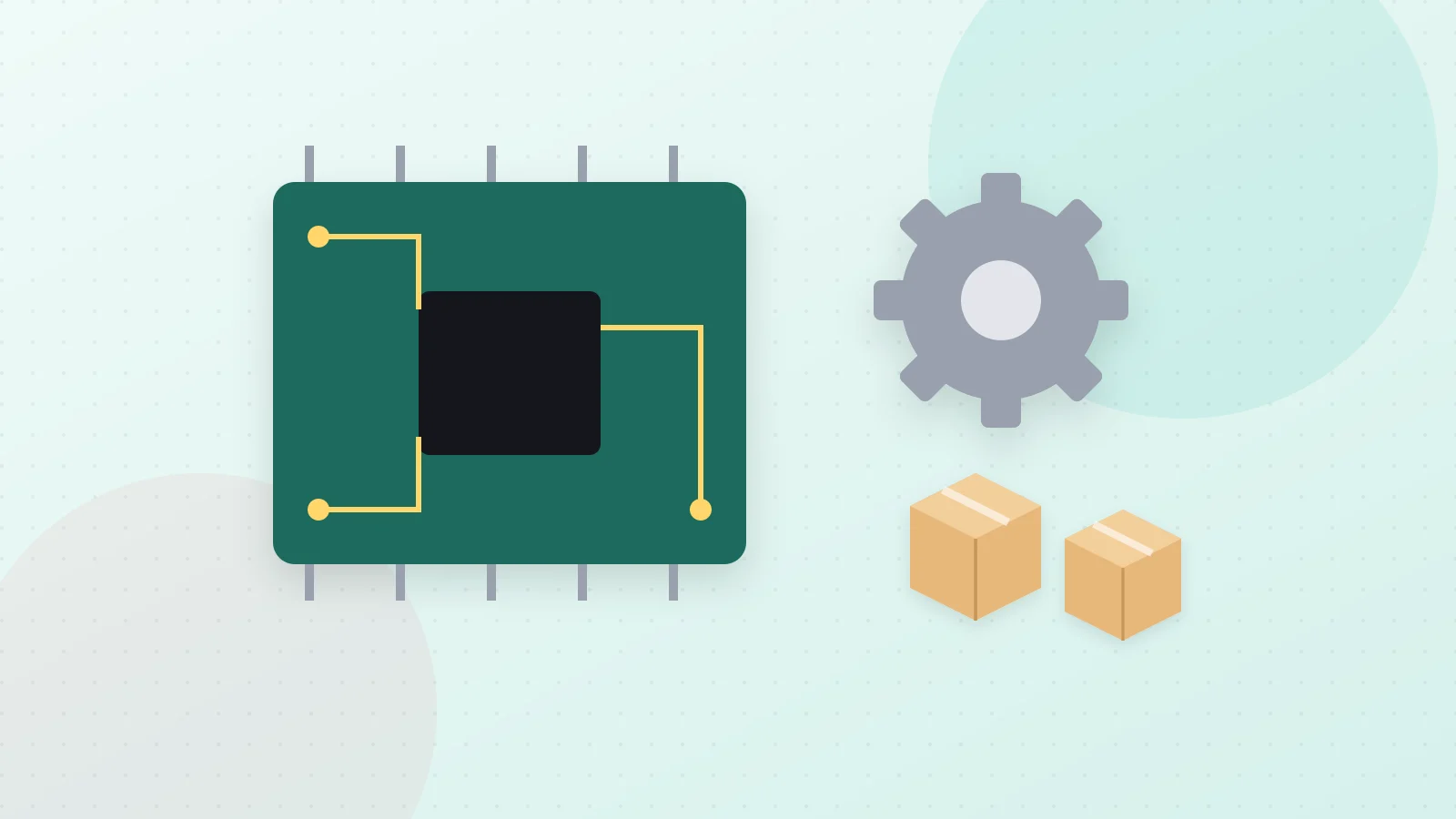
Hardware startups need more capital, time and operational expertise than software startups, but they can produce tangible, hard-to-copy products. Türkiye's manufacturing base is a real advantage for hardware founders.
Stages
- Proof-of-concept prototype: shows the idea is technically possible.
- Works-like prototype: tests core functions with real users.
- Looks-like prototype: appearance, ergonomics and experience
- Engineering validation: manufacturability and durability tests
- Pilot production: validating the process with a small batch
- Mass production
Get user feedback at every stage; see our MVP guide.
Choosing a manufacturer
- Experience with similar products and references
- Quality control processes
- Minimum order quantities and lead times
- IP protection and confidentiality; see our IP guide
Designing for manufacturability early prevents costly changes later.
Certification
Depending on the market, you may need certification for safety, electromagnetic compatibility and wireless communication (for example CE marking in Europe). It takes time and budget; plan for it from the start. Medical devices have extra rules; see our health tech guide.
Cost and inventory
- Bill of materials (BOM): the cost of all components
- Manufacturing, testing, packaging, shipping, customs and warranty costs
- Gross margin must cover sales channels and returns.
- Inventory ties up cash; balance batches with demand forecasts; see our cash flow guide.
Business models
Hardware plus software subscriptions, device leasing and consumables create recurring revenue.
Funding
R&D grants, pre-orders and crowdfunding, hardware-focused funds and corporate partnerships are the main sources; see our crowdfunding guide.
Common mistakes
- Underestimating production time and cost
- Leaving certification to the end
- Depending on a single supplier
Conclusion
Success in hardware comes with patience and careful planning. Browse hardware startups on our sector page.
This guide is for general information only and is not legal, financial or investment advice. Check official sources and consult professionals for current terms.