Intellectual property for startups: patents, trademarks, copyright and trade secrets
Types of IP, how software is protected, when a patent makes sense, protecting trade secrets and assigning IP to the company.
By Editorial Team
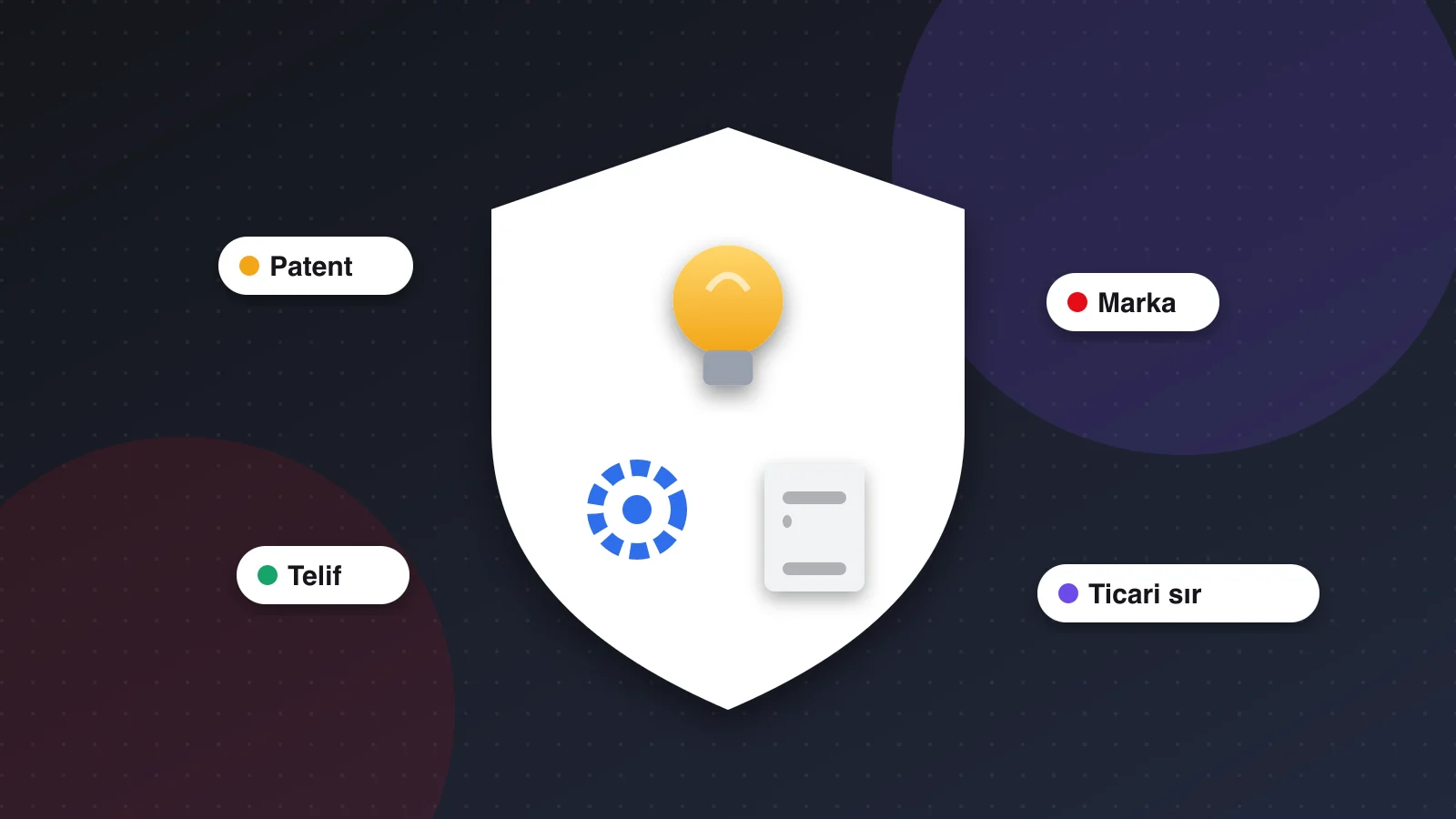
Much of a tech startup's value lies in its intellectual property: software, algorithms, design, brand and know-how. Protecting these assets and making sure the company owns them is decisive both in competition and in fundraising.
Types of IP
Patents and utility models
Protect new, industrially applicable inventions solving a technical problem. Patents require an inventive step; utility models give shorter protection for simpler inventions. In Türkiye, applications go to TÜRKPATENT.
Trademarks
Protect names, logos and signs that distinguish your products and services. See our trademark guide.
Copyright
Works such as source code, designs, text and images are protected by law as soon as they are created; registration is not required. Keeping records that prove authorship is still important.
Industrial design
Protects a product's appearance (shape, pattern, colour).
Trade secrets
Unregistered information valuable because it is kept secret: algorithms, customer lists, processes. Protection depends on the measures taken to keep it secret.
How software is protected
Code is mainly protected by copyright and trade secrets. Computer programs as such are generally not patentable, but inventions involving software with a technical effect can be patentable under certain conditions. Consult a patent attorney.
When does a patent make sense?
- For hardware, medical devices, materials and deep tech
- When the invention is easy to copy and blocking competitors is critical
- When defensibility matters to investors or corporate partners
Do not disclose the invention publicly before filing; disclosure can destroy novelty.
Protecting trade secrets
- Sign confidentiality agreements with employees, contractors and partners.
- Limit access on a need-to-know basis.
- Mark and log critical information.
Assigning rights to the company
The most common problem is IP left in the hands of founders or freelancers. Make sure of:
- Assignment to the company of everything founders built before incorporation; see our founders' agreement guide
- IP and confidentiality clauses in employment contracts
- Contracts with freelancers and agencies stating that rights pass to the company
- Compliance with the licences of open-source software you use
Conclusion
IP protects your startup's competitive edge and value, and it always comes up in pre-investment review; see our due diligence guide. This guide is general information; work with a patent and trademark attorney or lawyer on your situation.
This guide is for general information only and is not legal, financial or investment advice. Check official sources and consult professionals for current terms.