How to build a high-converting landing page
The purpose of a landing page, value proposition and headline, page structure, social proof, calls to action, speed and mobile, SEO and testing.
By Editorial Team
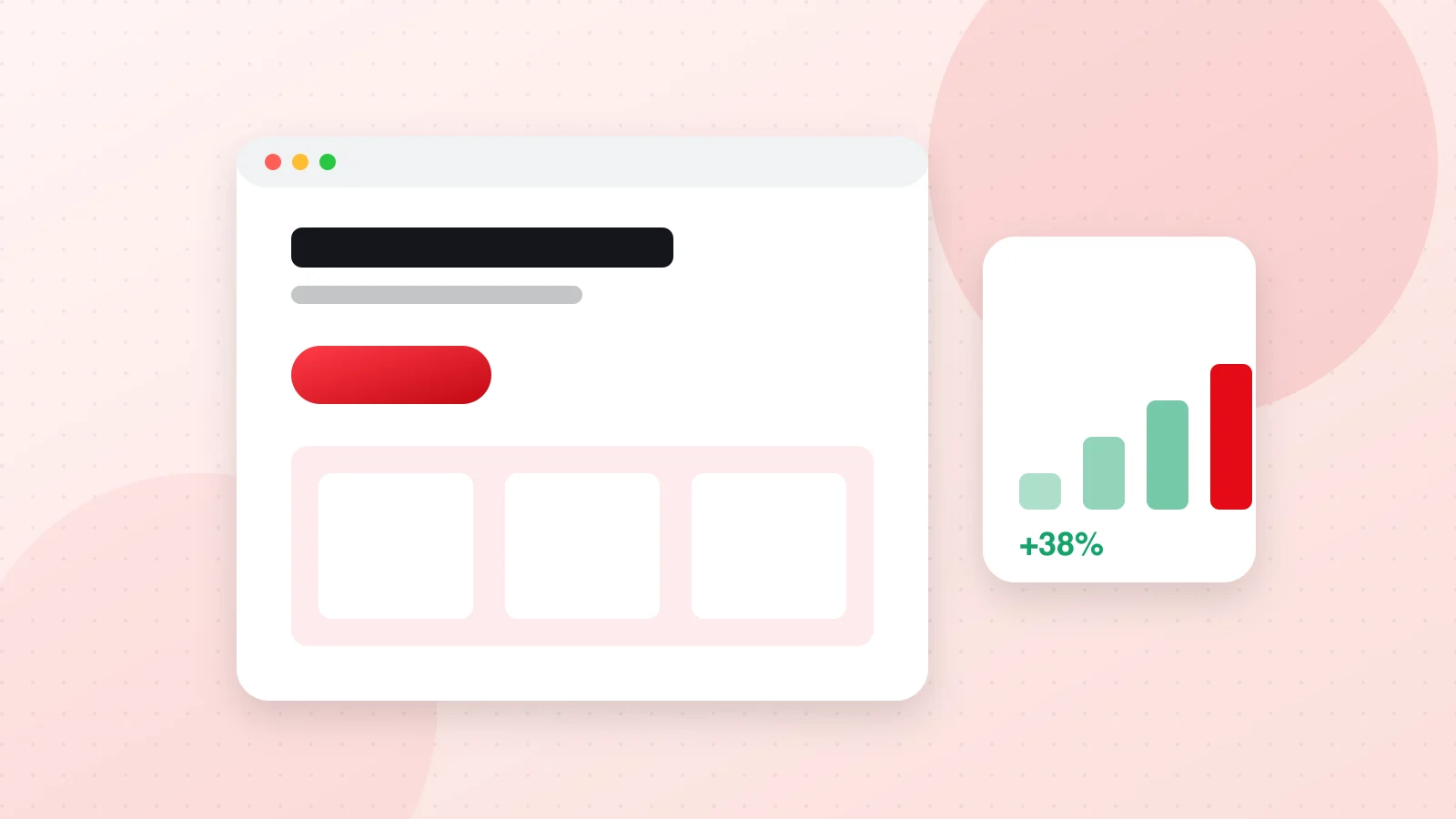
A landing page is designed to lead visitors to one action: signing up, requesting a demo, pre-ordering or subscribing. For startups it is one of the fastest ways to test demand and win customers; see our MVP guide.
1. Value proposition and headline
In the first seconds visitors should know: what is it, who is it for, what do I get?
- Headline: describe the outcome, a benefit not a feature: "Get paid 3x faster."
- Subheadline: explain how in one sentence.
- Visual: a real screenshot or a short demo
2. Page structure
- Headline, subheadline and main button
- Problem: the customer's pain
- Solution and 3–4 key benefits
- How it works: three simple steps
- Social proof
- Pricing or offer (if any)
- FAQs
- Final call to action
3. Social proof
- Customer reviews and named references
- Customer logos (with permission)
- User counts or result numbers
- Press and awards; see our press release guide
Never use fake reviews or numbers; it permanently damages trust.
4. Calls to action
- One clear main action; cut distracting links.
- Button text should state the outcome: "Try it free", "Book a demo"
- Keep forms short; ask only for what you need.
- If you collect personal data, link to your privacy notice; see our KVKK guide.
5. Speed and mobile
Many visitors come from phones. Fast loading and easy use on small screens directly affect conversion; see our UX guide.
6. SEO
Write the title tag and description for target searches, add alt text to images and include the page in your sitemap; see our SEO guide.
7. Measure and test
- Measure conversion by channel.
- Test headline, visuals, buttons and form length with A/B tests.
- Look at where visitors drop off.
Conclusion
A good landing page focuses on one message and one action. Keep testing to raise conversion step by step. To build pages without code, see our no-code guide.
This guide is for general information only and is not legal, financial or investment advice. Check official sources and consult professionals for current terms.