Building products with no-code: an MVP without writing code
What no-code and low-code tools offer, which products they suit, their limits, data and security considerations and when to move to code.
By Editorial Team
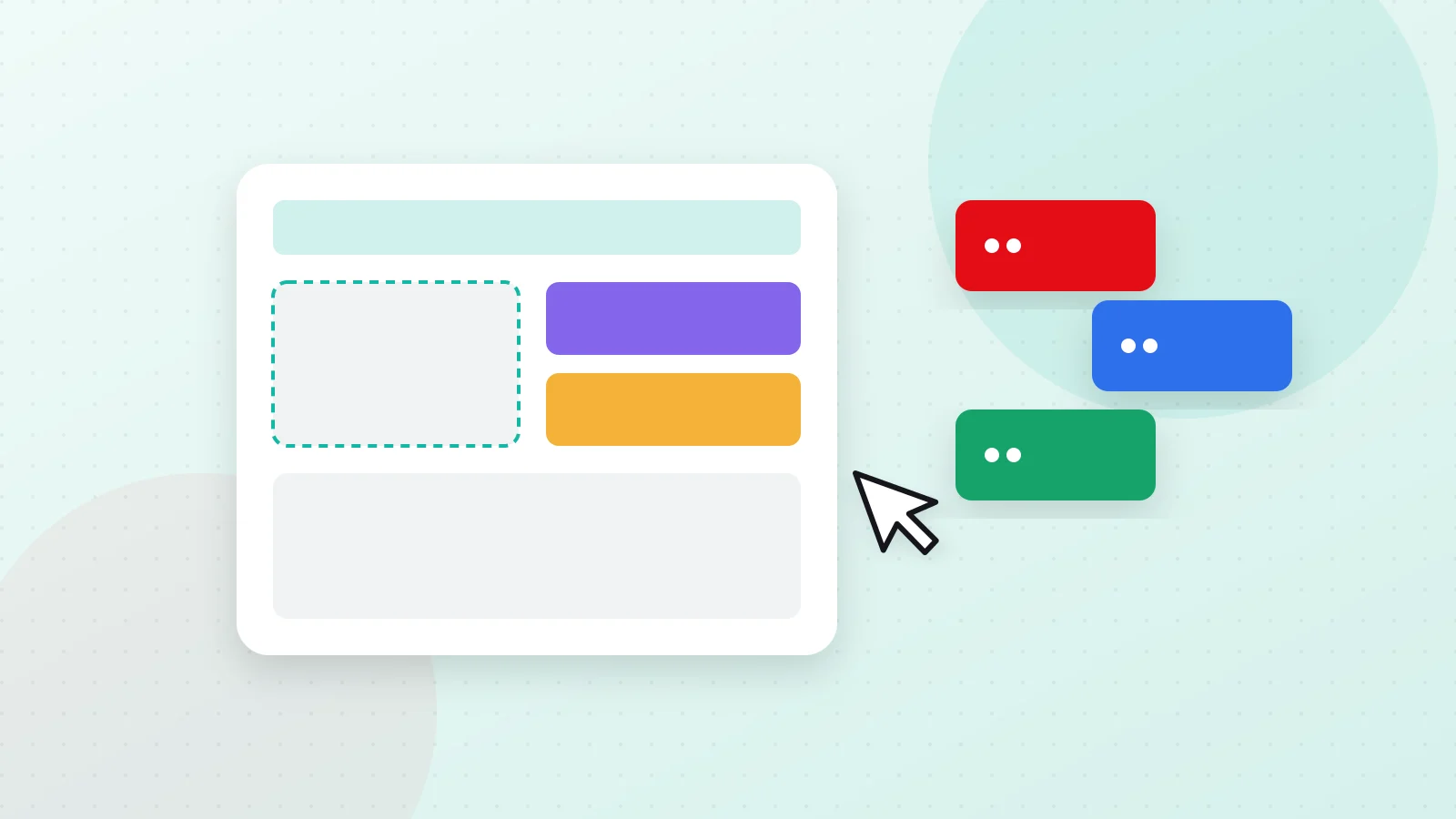
No-code tools let you build websites, apps, databases and automations without programming. They are a strong starting point for teams without a technical founder or startups wanting to test ideas fast.
What you can build
- Websites and landing pages: product pages and demand tests; see our landing page guide
- Forms and surveys: collecting customer information and sign-ups
- Databases and internal tools: spreadsheet-based apps, admin panels
- Web and mobile apps: basic apps with visual editors
- Automations: workflows connecting different tools
- AI-powered tools: text and image generation, classification
When it fits
- Validating an idea fast; see our MVP guide
- Automating internal processes
- First versions serving a small number of users
- Keeping product learning going until a tech team is in place
Limits
- Scale: performance and cost can become problems as users and data grow.
- Flexibility: complex rules and custom integrations get hard.
- Lock-in: you depend on the platform's pricing, features and terms.
- Portability: moving platforms often means rebuilding.
Data and security
- Check where personal data is stored and whether it leaves the country; see our KVKK guide.
- Configure access rights and sharing carefully.
- Make sure you can export your data regularly.
When to move to code
- You are nearing product-market fit and users are growing fast
- Platform limits slow product development
- Costs make custom development more economical
- Investors or enterprise customers bring security and scale requirements
Plan the move; turn what you learned from the no-code version into requirements. See our technical debt guide for the traces quick solutions leave.
Conclusion
No-code shortens the path from idea to first users. The goal is fast learning, not a perfect product. Deciding between mobile and web? See this guide.
This guide is for general information only and is not legal, financial or investment advice. Check official sources and consult professionals for current terms.