Data analytics for startups: collecting and using the right data
What to measure, an event tracking plan, types of analytics tools, dashboards, data quality, privacy and a data-driven culture.
By Editorial Team
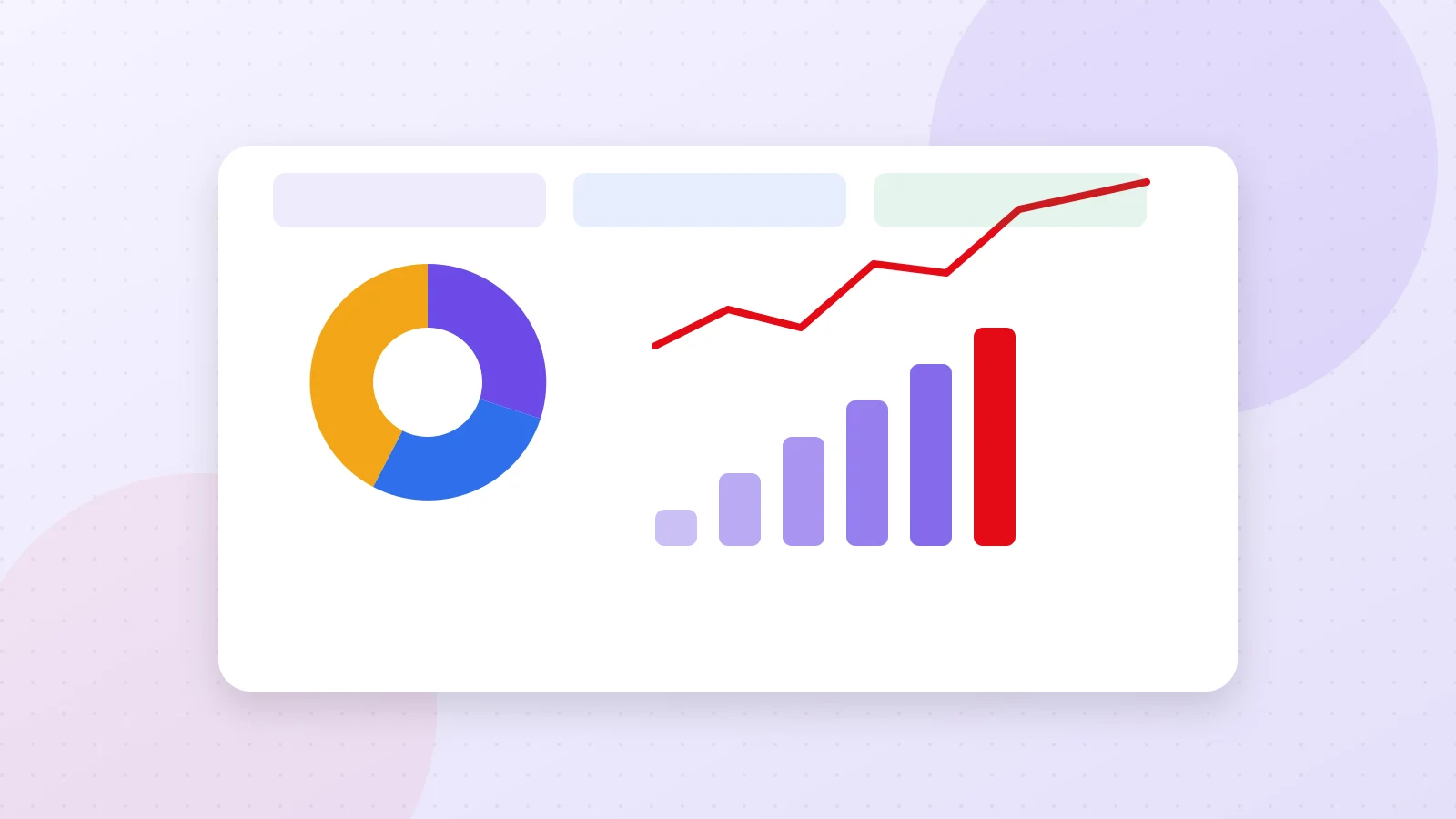
Data lets startups decide on evidence instead of guesses. But trying to measure everything leads to complex, unused dashboards. The point is to collect a little reliable data that answers the right questions.
What to measure
Write down the questions first:
- Where do users find us?
- How many sign-ups reach the core value?
- Who comes back, who leaves?
- Which channel brings the most profitable customers?
These lead to your North Star metric and its inputs. For definitions, see our startup metrics guide.
An event tracking plan
Define key in-product user actions (events) in a table:
- Event name (e.g. "invoice_created")
- When it fires
- Properties (plan type, source channel)
Consistent naming and one owner prevent data chaos.
Types of tools
- Web analytics: traffic sources, page performance, conversions
- Product analytics: behaviour, funnels, cohorts
- Revenue and subscription analytics: MRR, churn, renewals
- Warehouse and reporting: combining sources (later stage)
A few simple tools are enough early on; build complex infrastructure when needed.
Dashboards
- Create one company dashboard everyone checks weekly.
- Keep few, clearly defined metrics on it.
- Show trends; single-day numbers mislead.
Data quality
- Test tracking for new features before launch.
- Exclude test and internal users.
- Check the source when numbers look odd.
Privacy
Analytics data can include personal data. Meet duties such as cookie consent, privacy notices and retention periods, and use anonymous or aggregated data where possible. Check transfer rules for analytics services abroad; see our KVKK guide.
A data-driven culture
- Share decisions and their reasoning with data.
- Form hypotheses and validate them with A/B tests.
- Combine numbers with customer interviews; numbers answer "what", interviews answer "why".
Conclusion
Good analytics increases a startup's learning speed. Start with little but right data and grow from there. To see the full experience, see our customer journey map guide.
This guide is for general information only and is not legal, financial or investment advice. Check official sources and consult professionals for current terms.