How to create a customer journey map
Stages of the customer journey, touchpoints, customer emotions and pain points, gathering data, building the map and prioritising improvements.
By Editorial Team
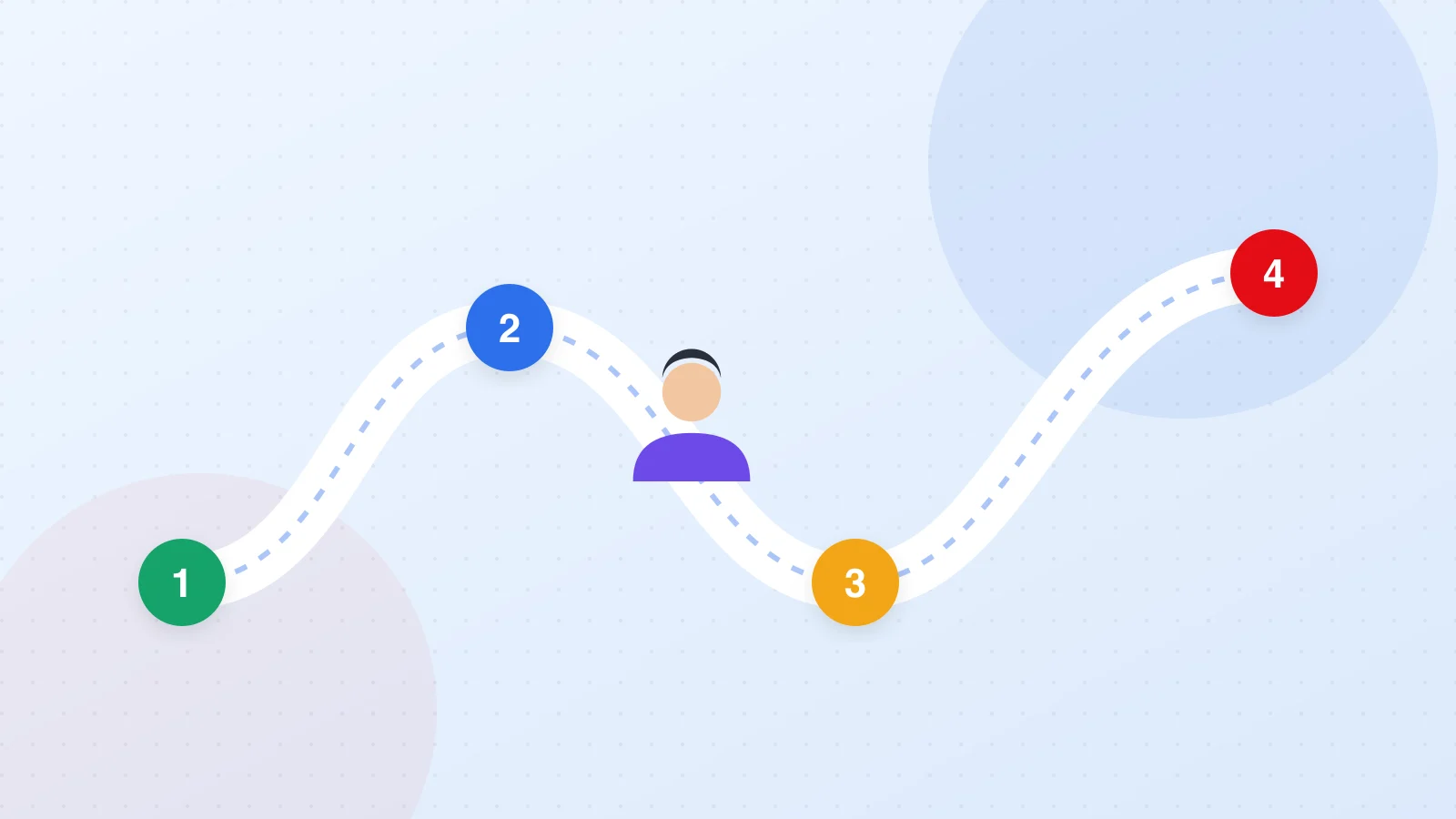
A customer journey map visualises every step a customer takes from first hearing about you to becoming loyal. It helps the team see the customer the same way and reveals where the biggest problems are.
Journey stages
- Awareness: the customer notices the problem and starts looking for solutions.
- Consideration: compares alternatives.
- Decision and purchase: signs up or buys.
- Onboarding: sets up the product and sees (or does not see) first value.
- Regular use: makes it part of daily work.
- Loyalty and advocacy: renews, expands and recommends.
What to capture at each stage
- Customer goal: what are they trying to achieve?
- Touchpoints: website, ads, sales calls, email, product, support
- Actions: what do they do?
- Emotions: curiosity, confusion, frustration, satisfaction
- Pain points: where do they get stuck or give up?
- Opportunities: how can we improve the experience?
Gathering data
- Customer interviews; see our customer interview guide
- Product analytics and funnel data; see our data analytics guide
- Support tickets and NPS comments; see our NPS guide
- Sales team observations
Build the map on real data, not assumptions.
Building the map
- Pick one segment and one scenario (e.g. "a small business owner issuing a first invoice").
- Lay stages along a horizontal axis.
- Fill in the headings above for each stage.
- Draw the emotion curve; the lowest points are priority problems.
- Review it with the team.
Prioritising improvements
Focus on stages with the biggest drop-off and the most negative emotion. For most startups that is onboarding and activation; see our UX and growth hacking guides.
Conclusion
A journey map is one of the most effective ways to see the product through the customer's eyes. Update it at least once a year.
This guide is for general information only and is not legal, financial or investment advice. Check official sources and consult professionals for current terms.