What is growth hacking? A guide to experiment-driven growth
The growth funnel, the experiment loop, writing hypotheses, prioritisation, example experiments, measurement and common mistakes.
By Editorial Team
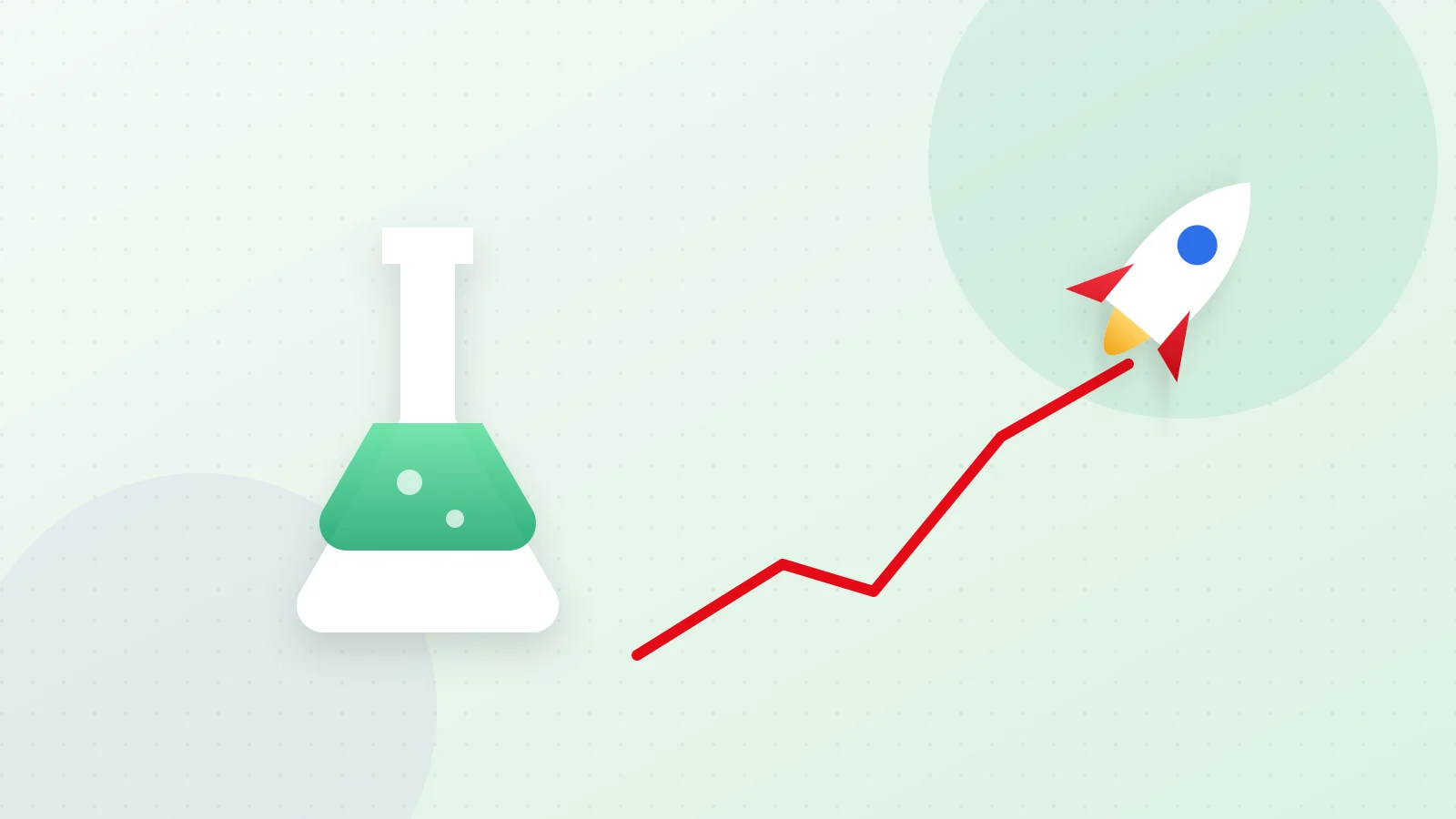
Growth hacking combines product, marketing and data to find the most effective growth levers through fast experiments. It is not a magic trick but a disciplined test-and-learn process.
The growth funnel
Split the user journey into stages and measure each:
- Acquisition: where do users find you?
- Activation: do they see value on first use?
- Retention: do they come back?
- Revenue: do they pay?
- Referral: do they recommend you?
The stage with the biggest drop is your first experiment area, usually activation or retention rather than acquisition.
The experiment loop
- Collect ideas: from the team, interviews and data
- Write a hypothesis: "If we cut sign-up fields from 6 to 3, sign-ups will rise 20 percent because users abandon long forms."
- Prioritise: ICE score: Impact, Confidence, Ease
- Test: with a control group where possible
- Analyse and learn: record the result whatever it is
A few small experiments a week teach far more than one big project a month.
Example experiments
- Activation: guided setup, starting with sample data
- Retention: usage-based reminder emails
- Referral: an invite programme rewarding both sides
- Acquisition: a free tool or template that attracts search traffic; see our low-budget marketing guide
- Revenue: changing how plans are presented; see our pricing guide
Measurement
- One main metric per experiment.
- Do not draw conclusions before reaching enough users.
- Check that short-term lifts do not hurt long-term retention.
See our startup metrics guide.
Common mistakes
- Pushing growth tactics before product-market fit; see product-market fit
- Copying others' tactics without context
- Using misleading methods that damage trust
- Not recording failed experiments
Conclusion
The heart of growth hacking is fast, measurable learning. Focus on the right stage, move in small experiments and share what you learn with the team.
This guide is for general information only and is not legal, financial or investment advice. Check official sources and consult professionals for current terms.