When do you need fine-tuning? Prompting vs RAG vs fine-tuning
What fine-tuning is, how it differs from prompting and RAG, when it helps, preparing data, cost and evaluation.
By Editorial Team
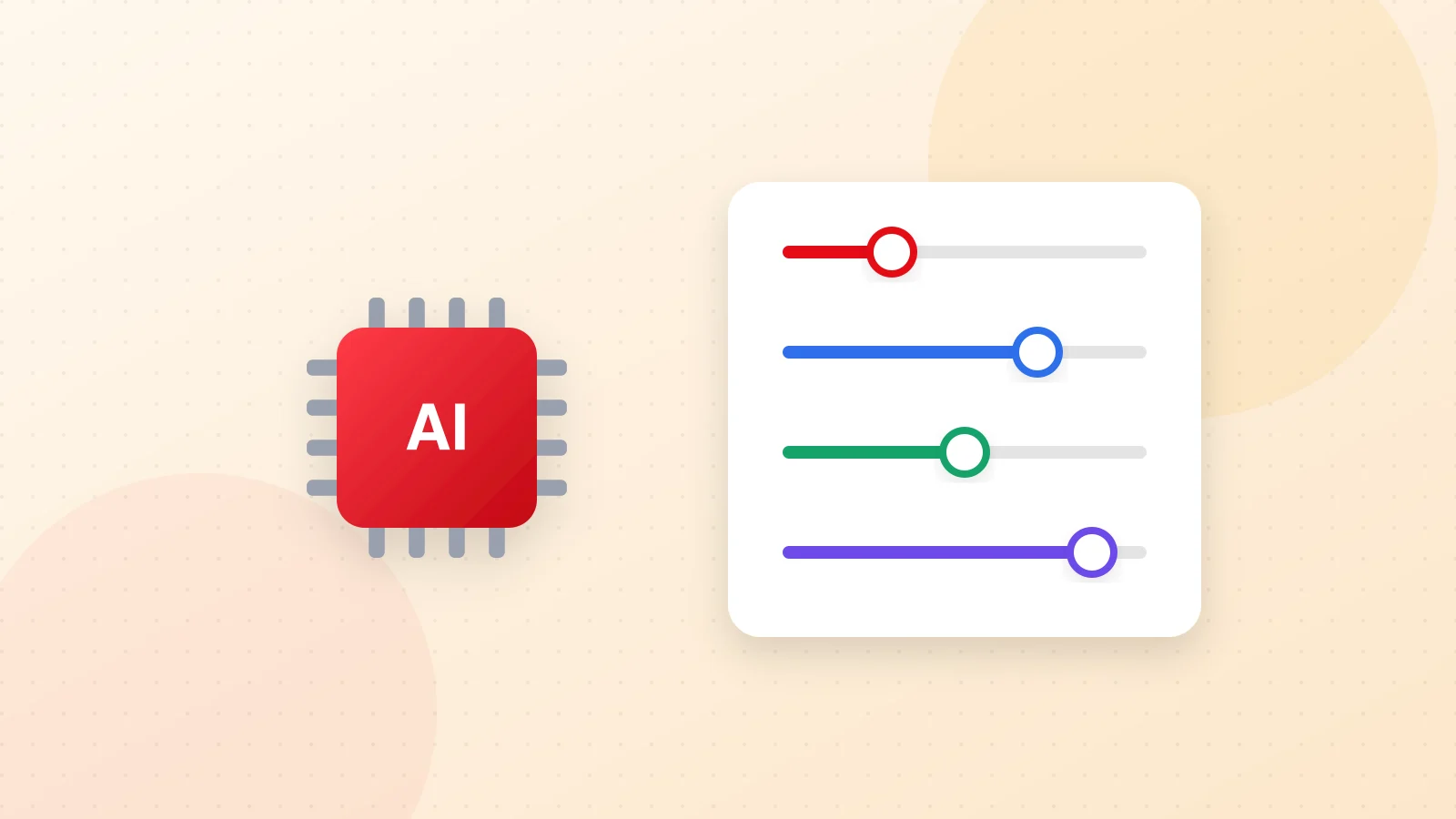
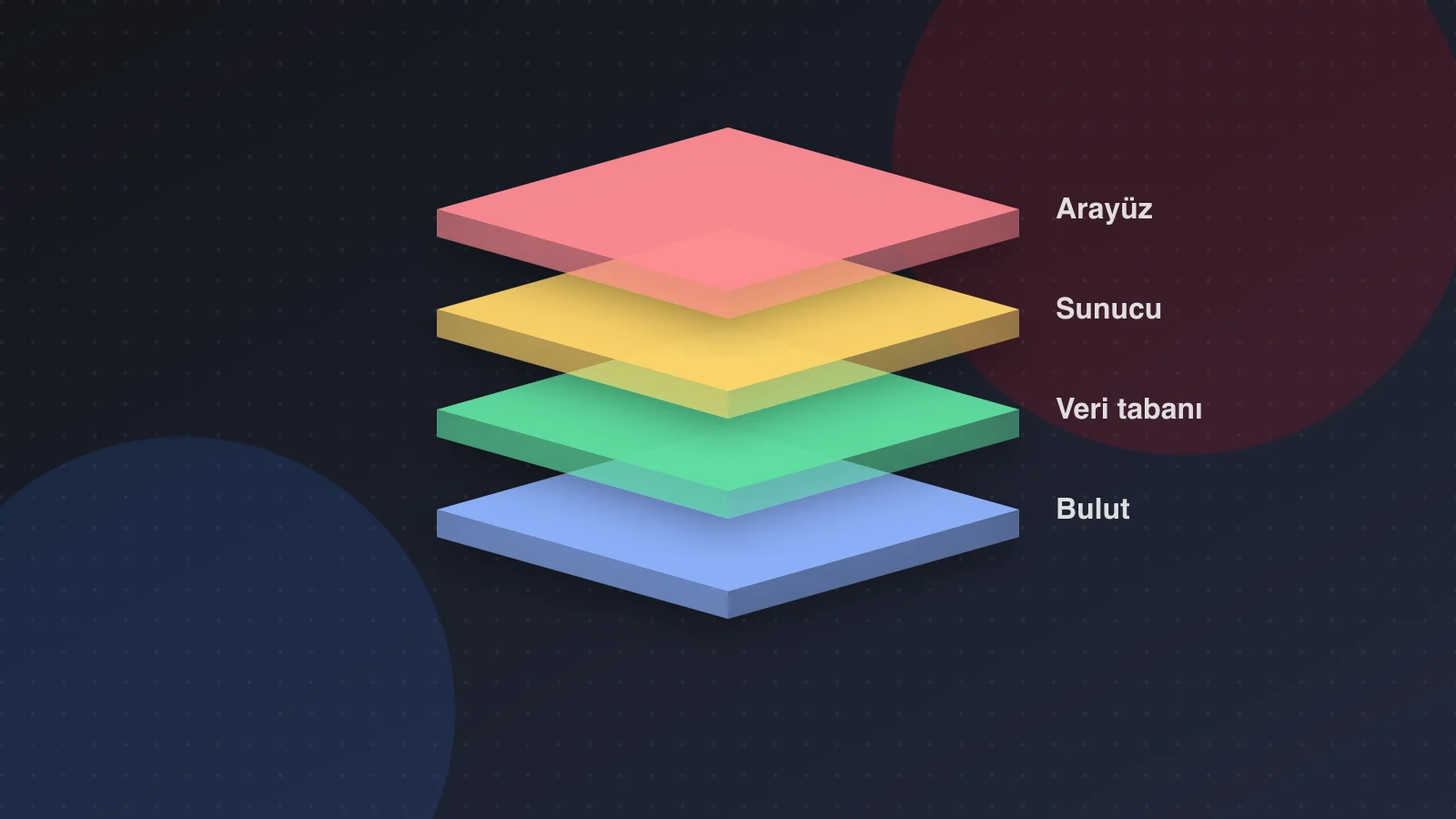
There are three main ways to make a language model work better in your product: write better prompts, give it relevant information (RAG) and retrain it on your own examples (fine-tuning). Choosing the right one saves significant time and cost.
The three compared
- Prompt engineering: the fastest, cheapest start; the first step for most tasks; see our prompt guide.
- RAG: supplies knowledge the model lacks, current or company-specific; see our RAG guide.
- Fine-tuning: teaches consistent behaviour, style or task performance
In short: missing knowledge, use RAG; missing behaviour, fine-tune.
When fine-tuning helps
- When an output format or brand voice must be consistent every time
- When you want high accuracy on a narrow, repetitive classification or extraction task with a smaller, cheaper model
- When you want to cut cost and latency by shortening long, complex prompts
- When performance on domain terminology must improve
When you do not need it
- To provide current information (fine-tuning does not keep knowledge fresh)
- Before you have a good prompt and evaluation set
- With few or poor-quality examples
Preparing data
- Correct, consistent input-output pairs from real usage
- Removing or anonymising personal data; see AI and KVKK
- Separate training and test sets
Quality matters more than quantity; see AI data strategy.
Cost and maintenance
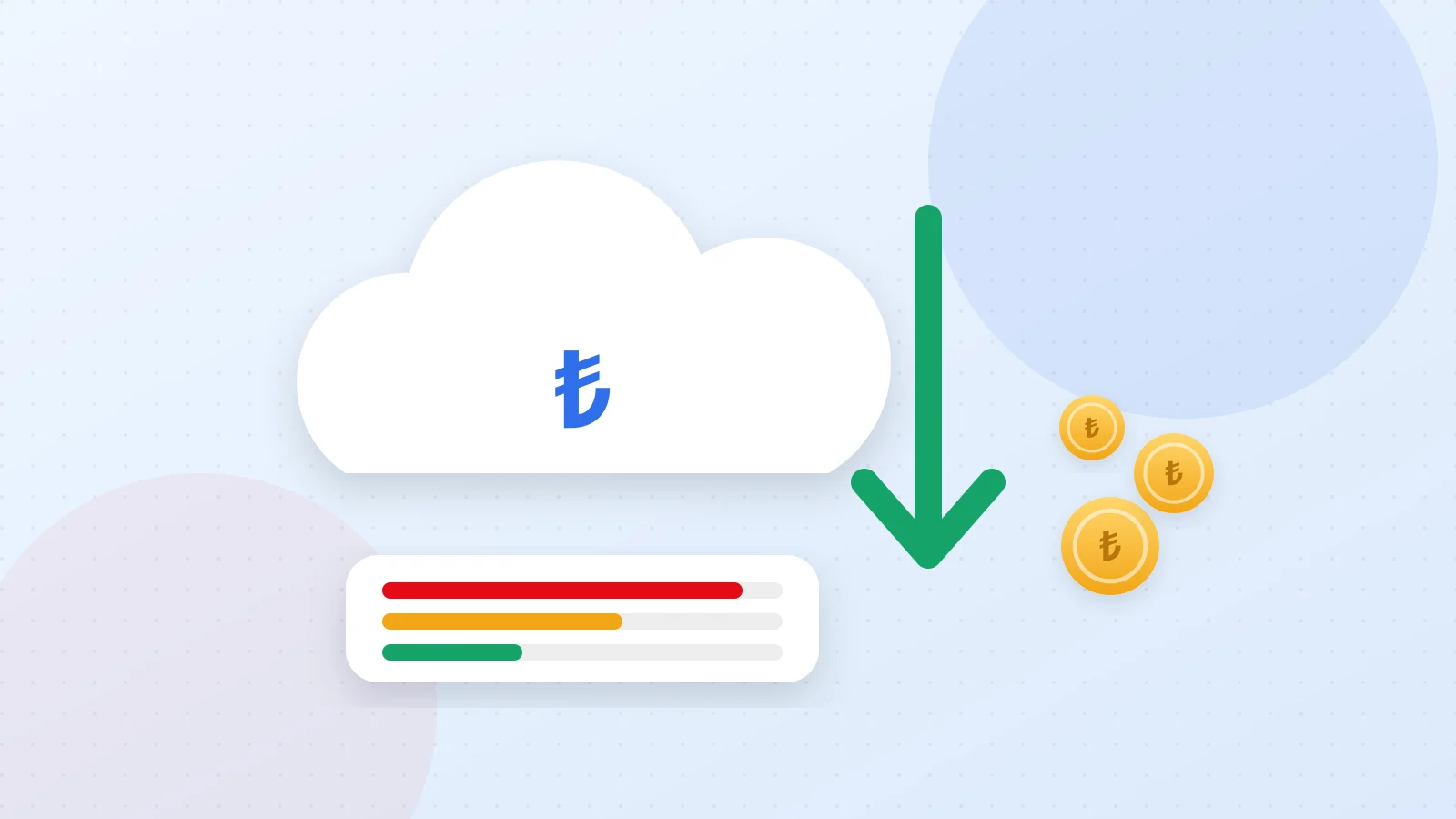
Besides training cost, there is the cost of retraining and retesting when the base model changes. So first measure the best you can reach with prompting and RAG.
Evaluation
Compare the fine-tuned model with a well-prompted base model on the same test set; see our model evaluation guide.
Conclusion
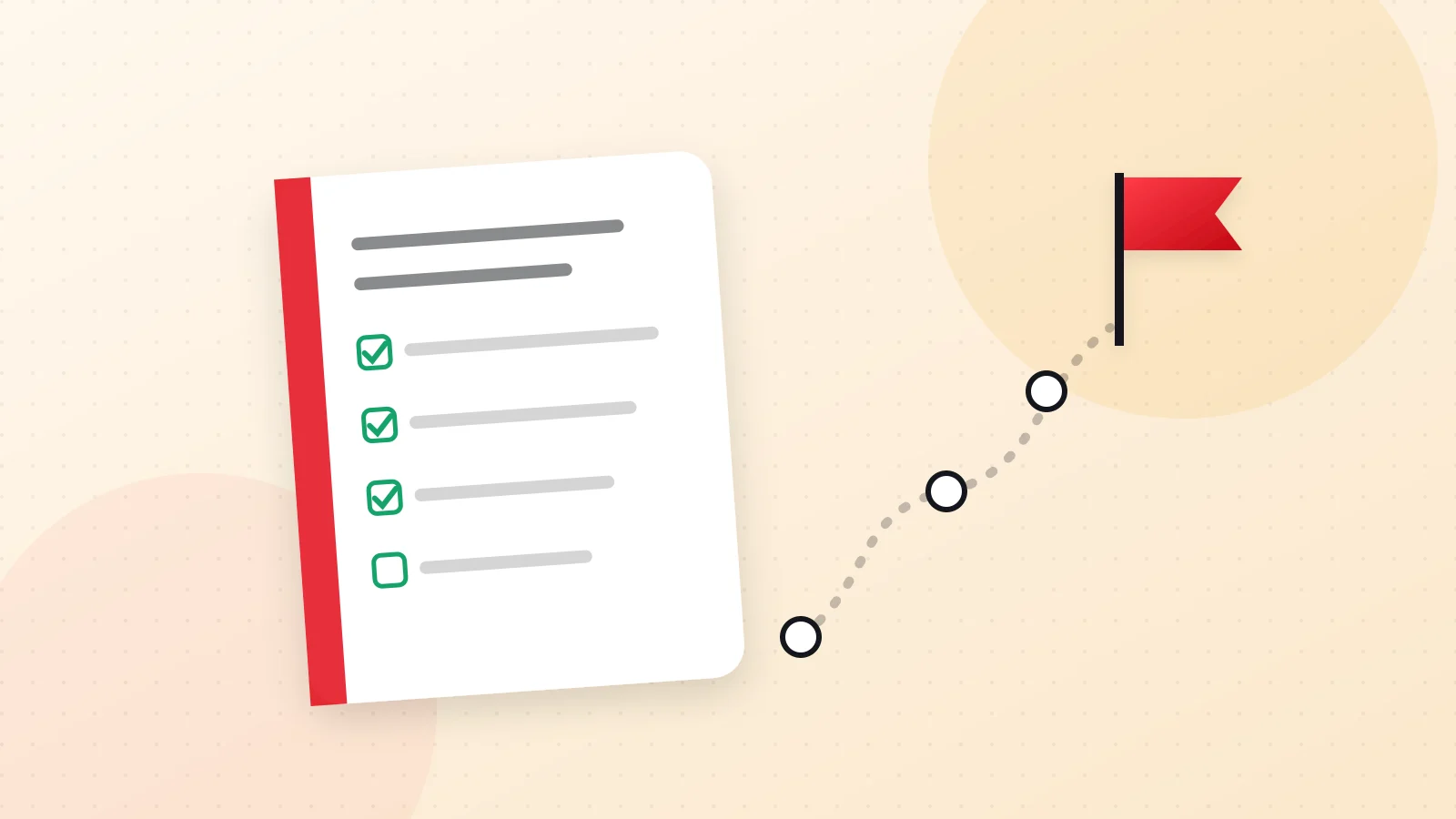
Fine-tuning is powerful but one of the last tools to reach for. For most startups the right order is prompting, RAG, then fine-tuning if needed.
This guide is for general information only and is not legal, financial or investment advice. Check official sources and consult professionals for current terms.