How to build a brand identity for a startup
Brand purpose and positioning, name, logo, colour and type, brand voice, a brand guide for consistency and how much to invest early.
By Editorial Team
A brand is far more than a logo: it is what people feel and remember about your company. Early on you do not need a big budget, but a clear, consistent identity builds trust and sets you apart.
1. Purpose and positioning
- Why do you exist? Which problem do you solve, for whom?
- Who are you speaking to? What are their values and expectations?
- How are you different? Your edge in one sentence
Answer these before visual identity; see our competitor analysis guide.
2. Name
Choose a short, easy-to-say, memorable and registrable name; see our startup naming guide and trademark guide.
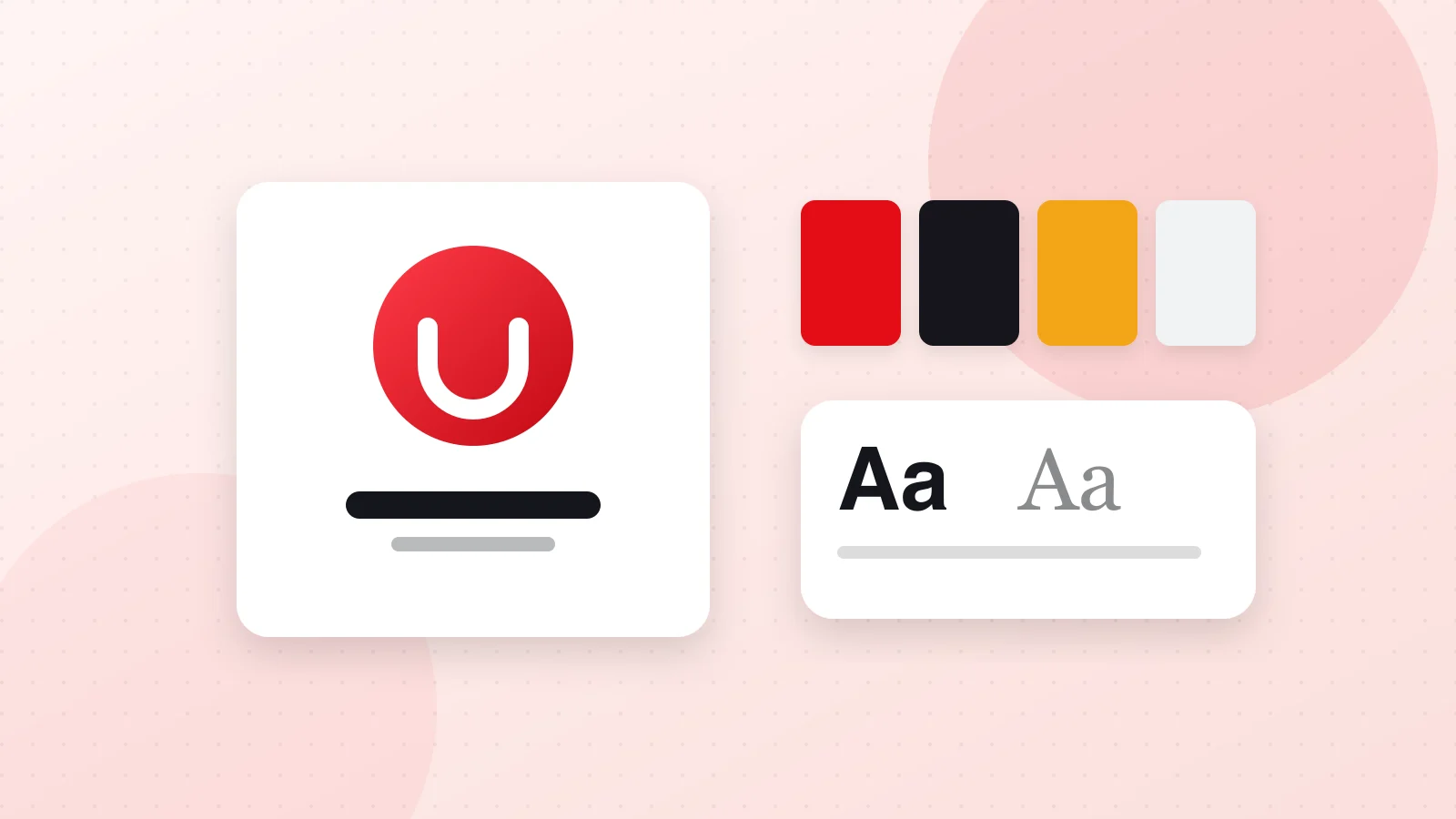
3. Visual identity
- Logo: a simple mark readable small and in one colour
- Colour palette: one main colour, one or two accents and neutrals, with accessible contrast
- Typography: at most two readable typefaces for headings and text
- Visual language: consistent photo, illustration and icon style
4. Brand voice
Define how your brand speaks: formal or friendly, technical or plain? A few "we write like this / not like this" examples keep the team consistent, from the website to support replies.
5. Brand guide
Collect logo rules, colour codes, fonts, sample visuals and voice in one short document. It becomes the reference for designers, agencies and new hires.
6. Consistency
Website, deck, social media, email signatures and product UI should reflect the same identity. Consistency makes even a small startup look professional and trustworthy; see our social media strategy guide.
How much to invest early?
A simple, functional identity is enough at first; invest more once you have product-market fit. A brand does not replace a good product, but it helps a good product get noticed.
Conclusion
A strong brand combines a clear purpose with consistent expression. To spread the word, see our press release guide.
This guide is for general information only and is not legal, financial or investment advice. Check official sources and consult professionals for current terms.