How to do competitor analysis: a practical method for startups
Identifying direct and indirect competitors, building a comparison table, information sources, a positioning map and turning analysis into strategy.
By Editorial Team
"We have no competitors" is one of the sentences investors hear most and believe least. Every problem has a solution today: software, a spreadsheet or doing nothing. Good competitor analysis sharpens your difference and shapes your strategy.
1. Identify competitors
- Direct: solve the same problem for the same customer in a similar way
- Indirect: solve the same problem differently
- Status quo: what the customer does today (manual tracking, spreadsheets, consultants)
- Future: large companies that could enter
Asking "How do you solve this today?" in customer interviews gives the most realistic list. See our customer interview guide.
2. Gather information
- Websites, pricing pages, product documentation
- User reviews in app stores and software comparison sites
- Competitors' job ads (they show where they are investing)
- Funding announcements and press
- Trying the product yourself
3. Comparison table
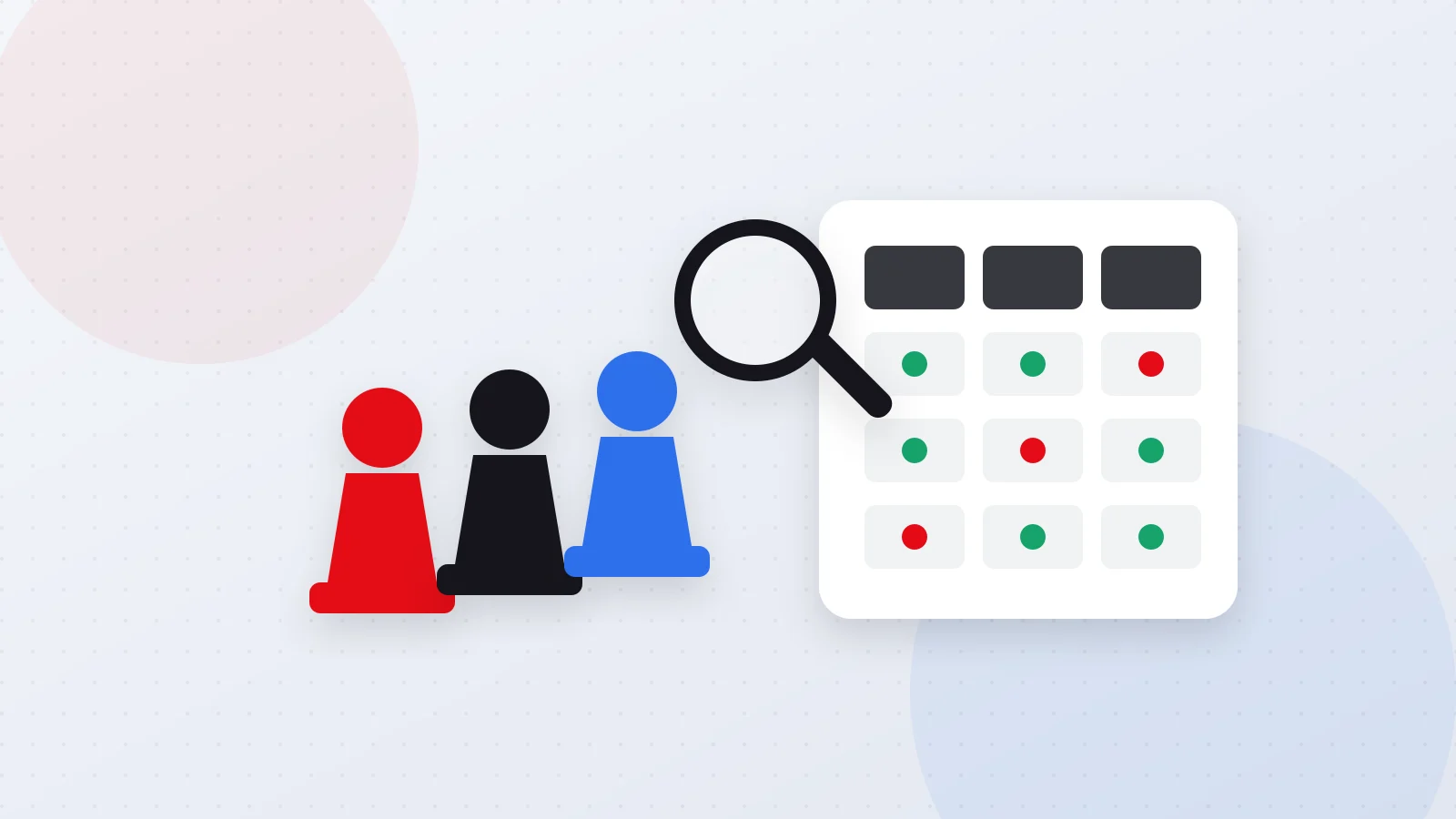
Put competitors in rows and the criteria customers care about in columns: target customer, core features, price, ease of setup, integrations, support, local language and regulatory fit. Do not pick only criteria you win; an honest table is more convincing.
4. Positioning map
Pick the two dimensions that matter most to customers (for example price and ease of use) and place competitors on a two-axis chart. Empty space may be your opportunity.
5. Turn analysis into strategy
- Focus where competitors are weak and customers care.
- Complaints in user reviews are valuable input for your roadmap.
- Position your pricing relative to competitors; see our pricing guide.
In the investor deck
- Do not belittle competitors; they prove the market exists.
- State your difference in one or two clear sentences.
- Be ready for "What if a big company does this?"; see our pitch guide.
Conclusion
Competitor analysis is a habit, not a one-off task. Update your table quarterly and share what you learn with the team.
This guide is for general information only and is not legal, financial or investment advice. Check official sources and consult professionals for current terms.