Setting goals with OKRs: a practical guide for startups
How OKRs work, examples of good objectives and measurable key results, the quarterly cycle, cascading to teams, tracking and common mistakes.
By Editorial Team
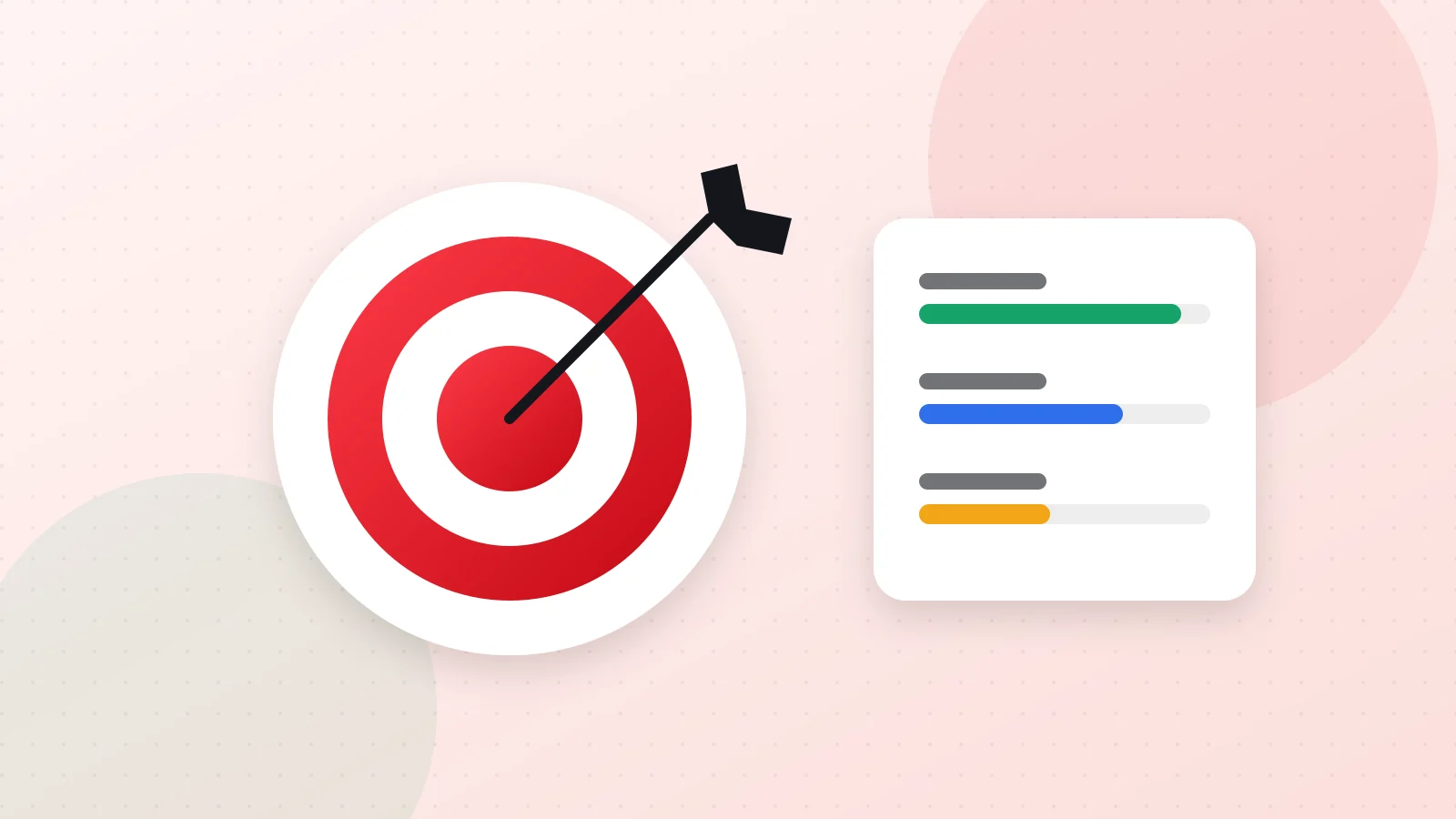
Startups have many opportunities and little time. OKRs (Objectives and Key Results) help a team focus on a few top goals and make progress measurable.
Structure
- Objective: an inspiring, qualitative statement of where you want to go
- Key results: 2–4 measurable outcomes showing whether you got there
Key results are outcomes, not tasks. "Design a new sign-up page" is a task; "raise sign-up conversion from 3 to 5 percent" is a result.
Example
Objective: Become indispensable for small businesses
- Grow monthly active customers from 200 to 350
- Cut monthly churn from 4 to 2 percent
- Raise the share of users who would be "very disappointed" without the product above 40 percent
See our startup metrics and product-market fit guides for calculating them.
The quarterly cycle
- Set: 2–3 company objectives at the start of the quarter.
- Align: teams write OKRs that contribute to company objectives.
- Track: review progress and risks in short weekly check-ins.
- Review: score each key result at quarter end and discuss learnings.
Ambitious goals
Some OKRs are deliberately ambitious. Reaching about 70 percent of key results is often counted as success. That is why tying OKRs directly to bonuses or performance reviews is discouraged; otherwise teams write safe goals.
Tips for small teams
- No more than three company objectives
- One owner per key result
- Keep OKRs visible to everyone
- Treat the first quarter as a trial
OKRs are especially useful for remote teams; see our remote team guide.
Common mistakes
- Too many objectives
- Writing task lists instead of key results
- Not looking at OKRs during the quarter
- Imposing goals top-down without team input
Conclusion
OKRs clarify what the team does and why. They also give a good frame for sharing progress with investors; see our investor update guide.
This guide is for general information only and is not legal, financial or investment advice. Check official sources and consult professionals for current terms.