How to run customer interviews: asking the right questions
The purpose of customer discovery interviews, who to talk to, good and bad questions, the interview flow, note-taking and turning conversations into insight.
By Editorial Team
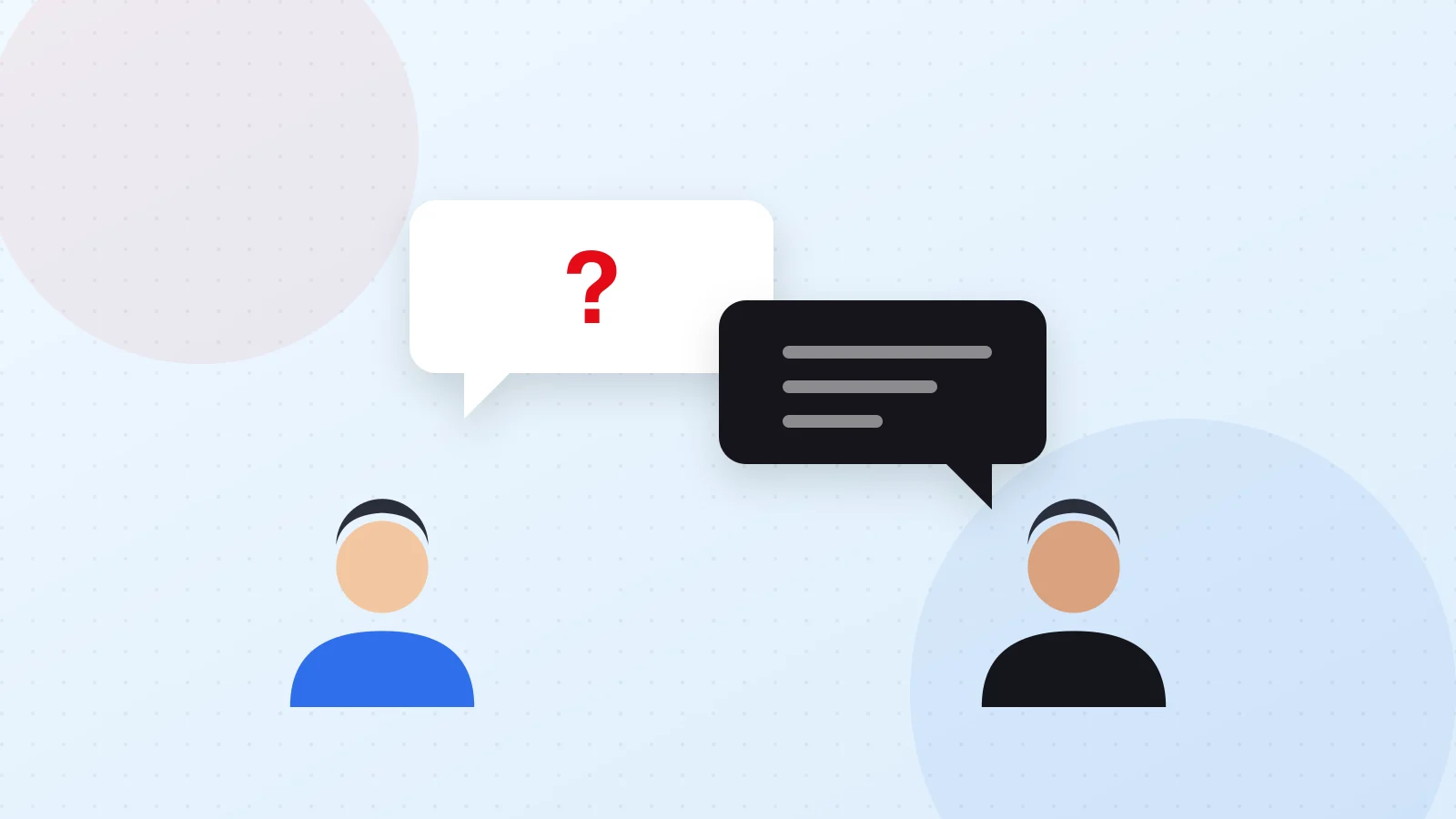
Customer interviews are a startup's cheapest and most valuable learning tool. Done right, they show which problem really matters, what customers do today and what they would pay for. Done wrong, you only hear what you want to hear.
Purpose
Not to sell or get your idea approved, but to understand the customer's real behaviour and problem. People may say they like your idea to be polite; their past behaviour does not lie.
Who to talk to
- People in your target profile who you believe have the problem
- Both buyers and users (often different in B2B)
- Strangers rather than friends and family
10–15 interviews in a segment are usually enough to see patterns.
Good and bad questions
Avoid:
- "Would you use a product like this?" (hypothetical, future-focused)
- "Do you like this idea?" (invites politeness)
- "How much would you pay?" (unreliable)
Ask:
- "When did you last do this? Can you walk me through it step by step?"
- "What was the hardest part?"
- "What have you tried to solve it?"
- "What does this problem cost you: time, money, lost customers?"
- "Who decides on the budget for this?"
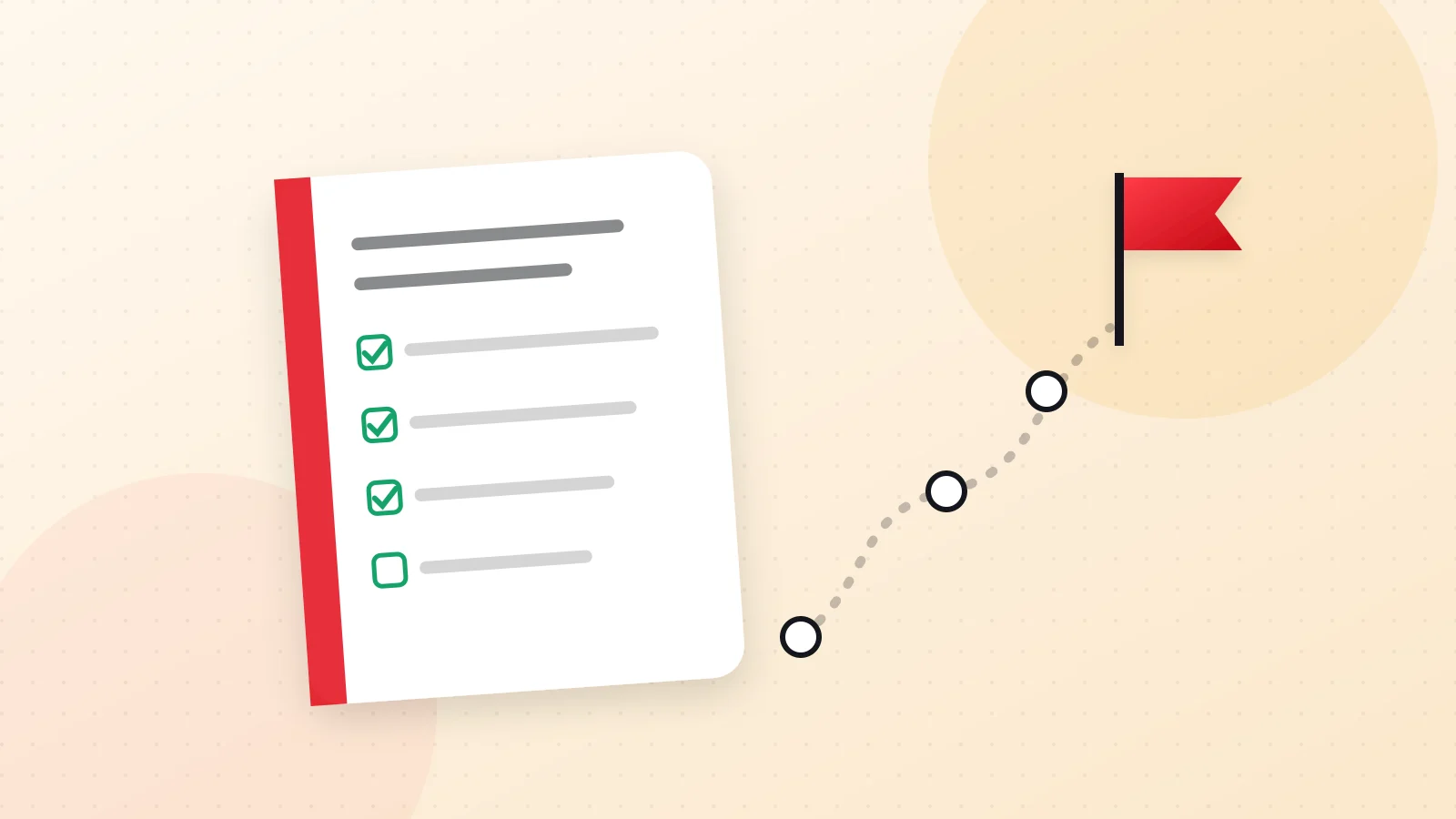
Interview flow
- Short intro: purpose and time; say you are not selling.
- Context: their role and daily work
- Problem and current solution: concrete past examples
- Dig deeper: "Why?" and "Can you give an example?"
- Close: thanks, anyone else they could introduce, next step
The customer should do most of the talking; you listen.
Notes and analysis
- Interview in pairs if possible: one asks, one takes notes.
- Ask permission before recording.
- Write the top three learnings right after.
- Collect all interviews in a table and rank problems by frequency and severity.
From interviews to product
Recurring, severe problems should define your MVP scope. Interviews also feed your market sizing and competitor analysis.
Conclusion
Customer interviews are not a one-off phase but an ongoing part of product development. Make talking to a few customers every week a habit.
This guide is for general information only and is not legal, financial or investment advice. Check official sources and consult professionals for current terms.