ISO 27001 and SOC 2: security certifications for software startups
Why enterprise customers ask for security certifications, ISO 27001 vs SOC 2, the preparation process, cost and timing, and what to do early.
By Editorial Team
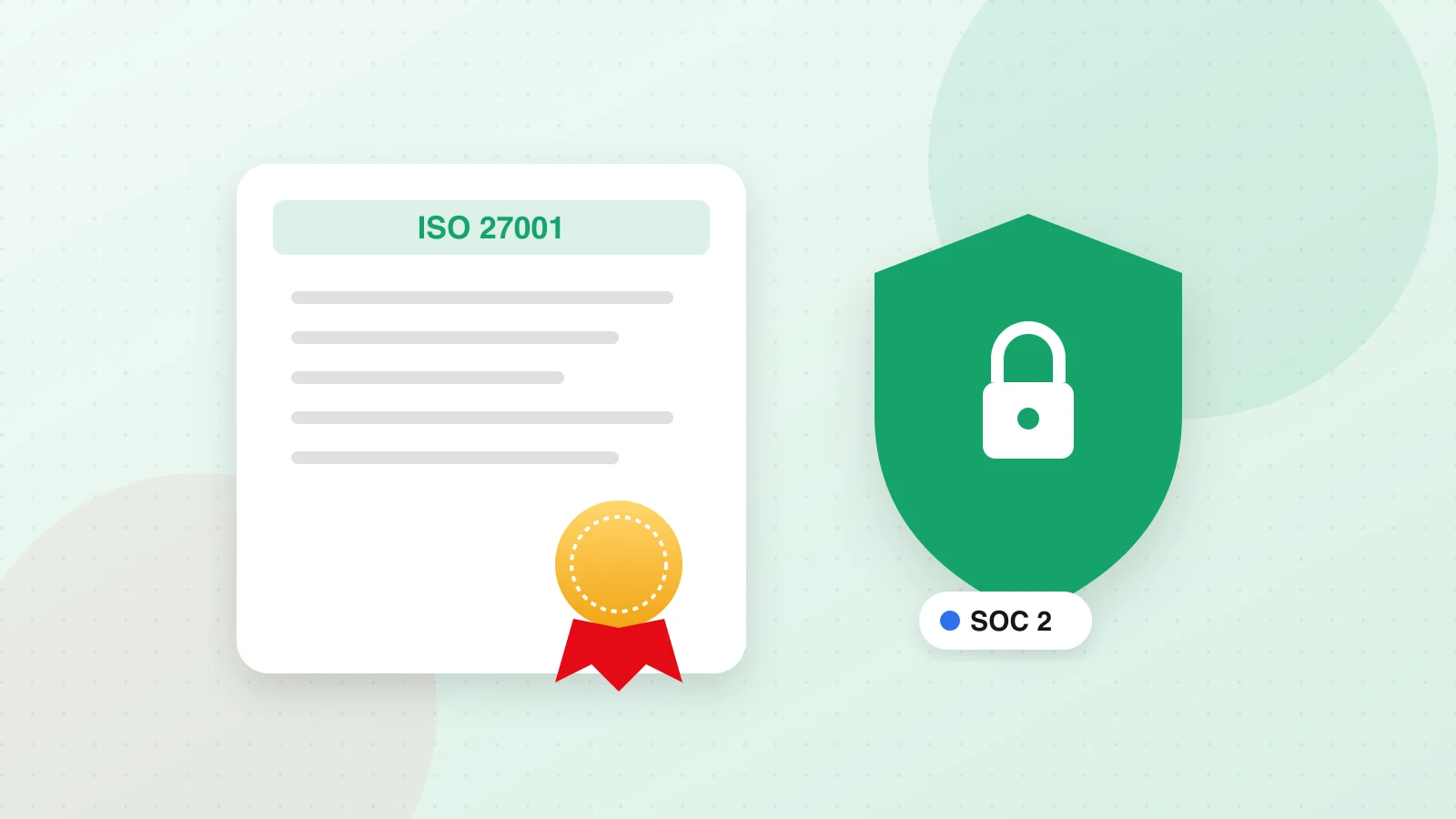
Startups selling software to enterprises often face long security questionnaires and certification requests. ISO 27001 and SOC 2 are the two most requested frameworks. Getting one at the right time shortens sales cycles and builds trust.
Why customers ask
Companies must manage the security risk of suppliers holding their data. An independently audited security programme is more reliable and practical than reviewing every supplier separately. See our B2B sales guide.
ISO 27001
- An international standard for an information security management system.
- Covers risk assessment, policies, controls and continuous improvement.
- Audited by accredited certification bodies; certificates usually last three years with surveillance audits in between.
- Widely requested in Europe, the Middle East and Türkiye.
SOC 2
- A US-originated audit framework, especially requested by North American customers.
- Assesses controls against security, availability, processing integrity, confidentiality and privacy criteria.
- A Type I report covers control design at a point in time; Type II shows controls operating effectively over a period.
- Prepared by independent auditors; it is an audit report, not a "certificate".
Which one?
Your target market and customers decide. For Türkiye and Europe, ISO 27001 usually comes first; for US sales, SOC 2. Controls overlap heavily, so moving from one to the other is easier. For selling abroad, see our software export guide.
Preparation
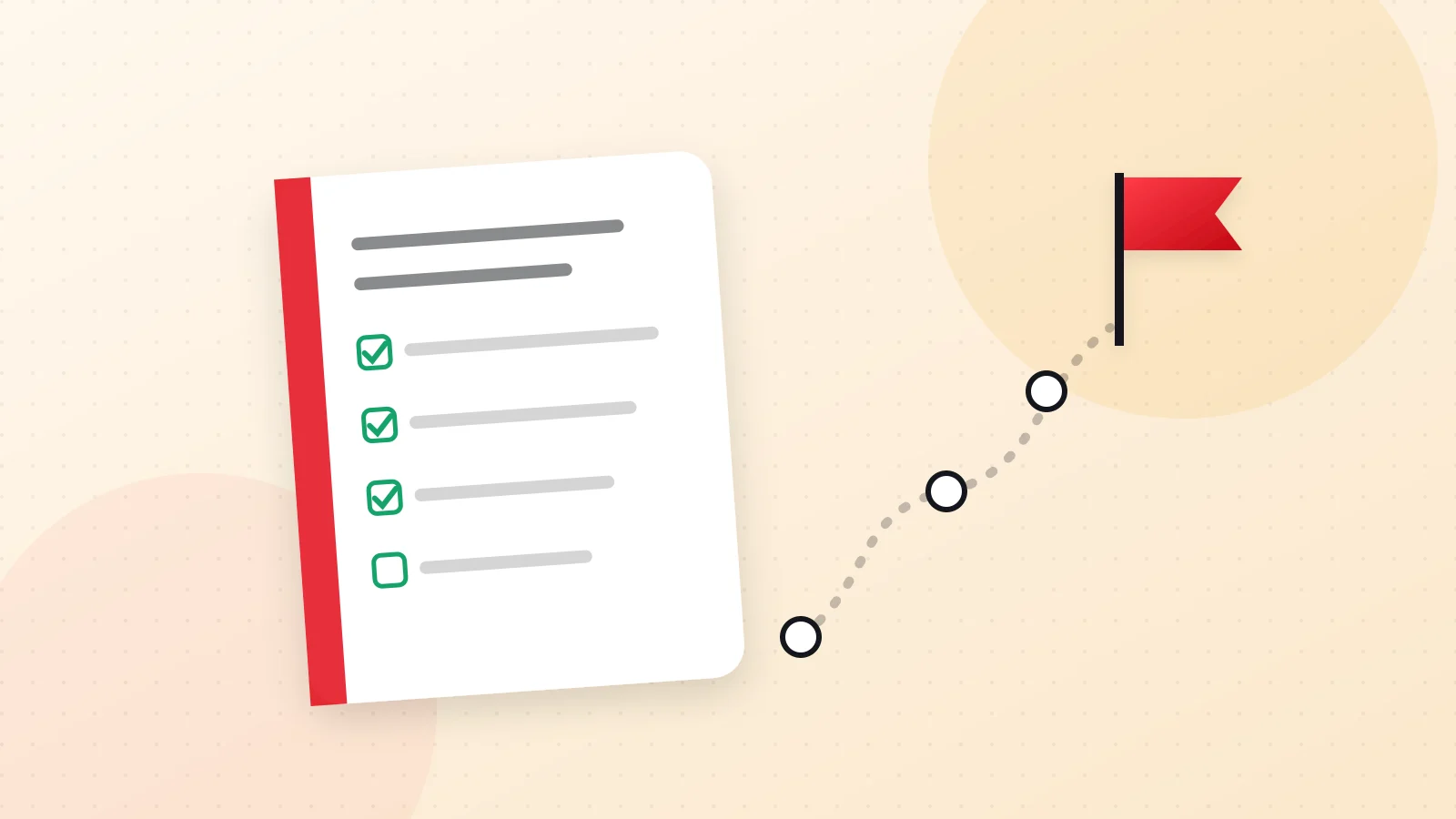
- Define scope: which product, systems and teams?
- Run a risk assessment and gap analysis.
- Write policies: access, encryption, backup, incident response, vendor management.
- Implement controls and collect evidence; compliance automation tools help.
- Internal audit, then the independent audit
What to do early
Even before you need a certificate, build the basics from day one:
- Two-factor authentication, access control and device security; see our cybersecurity guide
- Recorded deployment processes; see our DevOps guide
- Backups and an incident response plan
- KVKK compliance; see our KVKK guide
- A ready security document and standard answers to common security questions
Conclusion
Security certifications open the enterprise market. Invest in them when demand is concrete, but build the foundations from day one. This guide is general information; work with expert advisers and audit firms on scope and process.
This guide is for general information only and is not legal, financial or investment advice. Check official sources and consult professionals for current terms.