How do large language models (LLMs) work? A plain explanation
How large language models are trained, how they generate text, their strengths and weaknesses and how startups can use them.
By Editorial Team
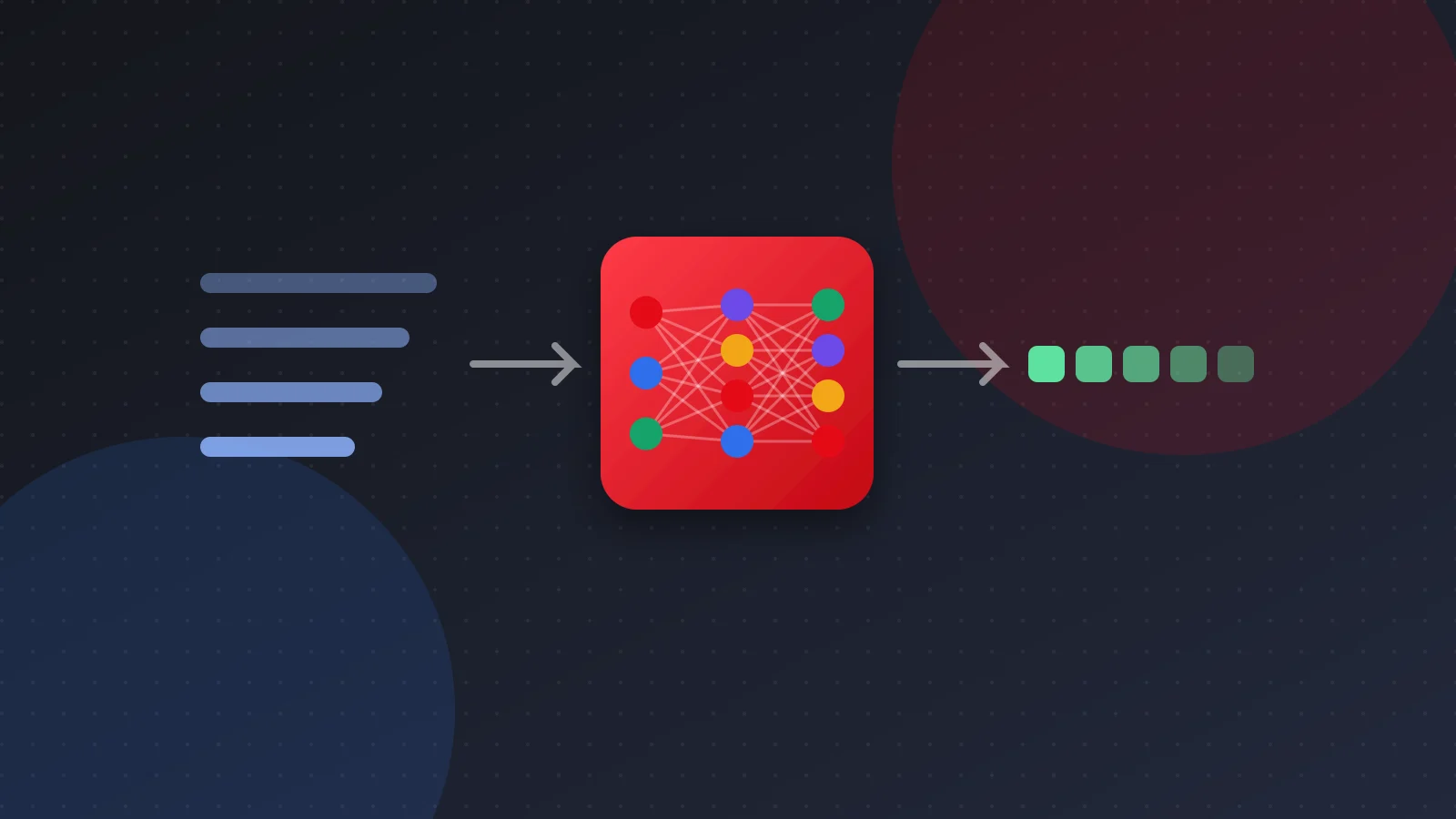
Large language models (LLMs) underpin most of today's generative AI products, from chat assistants to coding tools. Understanding how they work helps you use them well.
Training stages
- Pre-training: the model learns to "predict the next word" over huge amounts of text, absorbing language structure and much of the knowledge in that text.
- Instruction tuning: it learns to follow instructions from question-answer and task examples.
- Learning from human feedback: human ratings make answers more helpful, accurate and safe.
How text is generated
Given the input (prompt), the model computes probabilities for the next token, picks one and repeats. The answer is built token by token. Settings such as "temperature" affect how creative or consistent answers are.
Strengths
- Understanding, summarising, translating and rewriting
- Drafting text and code
- Extracting information from unstructured text
- Following instructions flexibly and using tools; see our AI agents guide
Weaknesses
- Hallucination: convincing but false answers; see our hallucination guide
- Freshness: no knowledge after training; current information must be supplied as context; see our RAG guide.
- Precision: mistakes in exact calculations and long reasoning chains
- Language gaps: performance in languages such as Turkish varies by model; see Turkish NLP.
How startups benefit
- Using hosted models via API; see our open vs closed models guide
- Well-designed prompts plus company data as context
- Fine-tuning for specific tasks when needed; see our fine-tuning guide
Conclusion
LLMs are powerful tools with limits. The best results come from matching their strengths to the right tasks and compensating for weaknesses through process design.
This guide is for general information only and is not legal, financial or investment advice. Check official sources and consult professionals for current terms.