AI-assisted software development: getting the most from coding assistants
Where coding assistants help, productivity gains, quality and security risks, team guidelines, licensing and measurement.
By Editorial Team
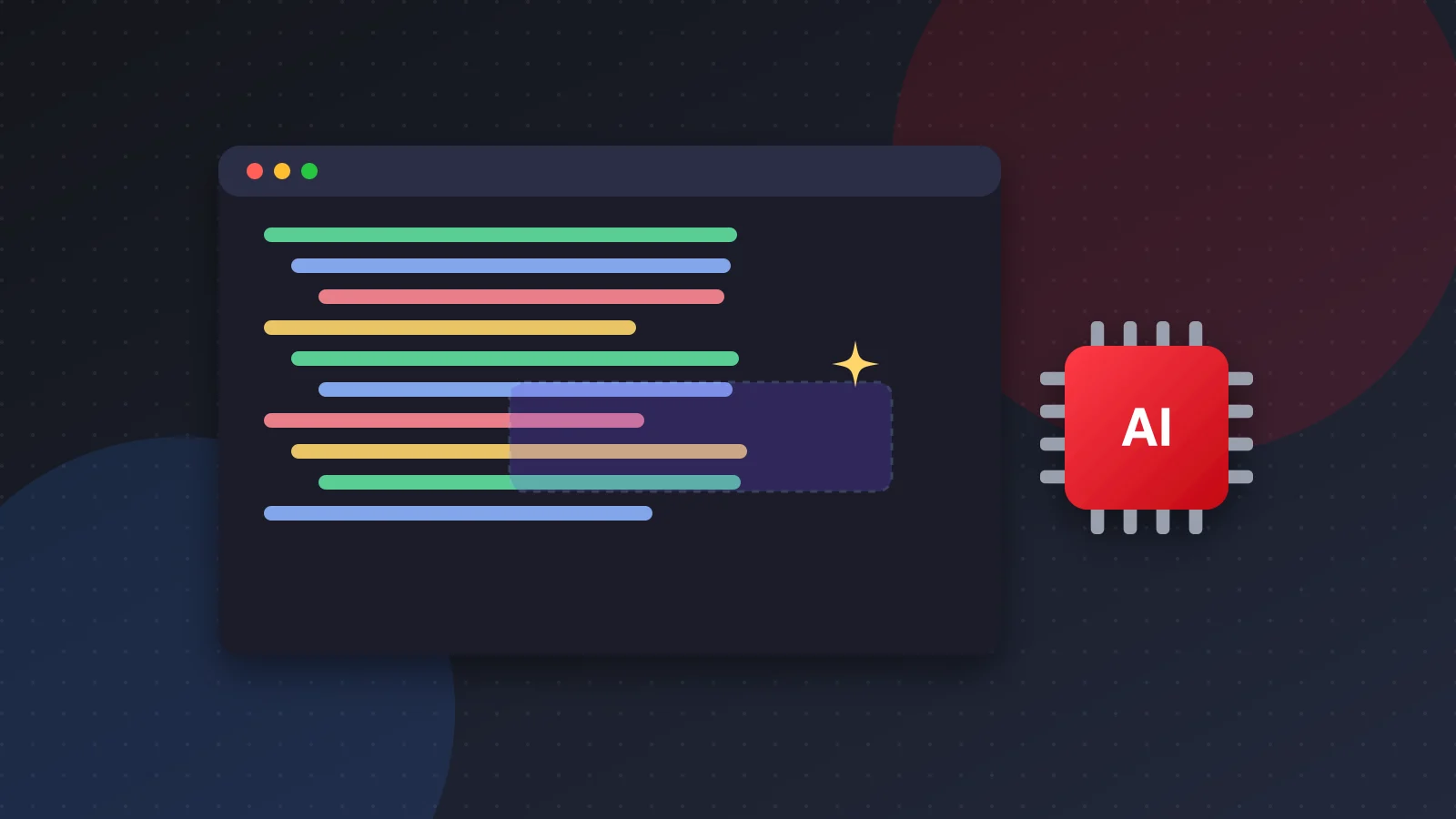
AI coding assistants are quickly changing how software teams work. For small startup teams they can mean building more product with fewer people, but speed must not come at the cost of quality and security.
Uses
- Completion and generation: repetitive code, data transformations, simple functions
- Writing tests: suggestions for unit tests and edge cases; see our DevOps guide
- Explaining and documenting code: understanding old or complex code
- Debugging: interpreting errors and listing likely causes
- Refactoring: simplifying code and reducing technical debt
- Agentic tasks: assistants that change multiple files and run tests; see AI agents
Quality and security risks
- Generated code can look right and still be wrong; review and test every change.
- Security flaws (missing input validation, outdated libraries) can slip through; see our cybersecurity guide.
- Do not give assistants secrets or customer data.
- Watch the licence compatibility of generated code; see open-source licences.
Team guidelines
- AI-written code goes through the same review process.
- The developer who submits code is responsible for understanding it.
- Which tools may be used with which data is written down.
- Business accounts and data protection settings are used.
For junior developers
Assistants can speed learning but must not block core skills. Senior guidance and code review are critical here; see our engineering team guide.
Measurement
Look beyond lines written: lead time, defect rate, review time and developer satisfaction.
Conclusion
Coding assistants are a powerful productivity tool. With the right rules and good engineering practice, they let small teams do big things.
This guide is for general information only and is not legal, financial or investment advice. Check official sources and consult professionals for current terms.