Funding rounds explained: pre-seed, seed, Series A and beyond
What is expected of a startup at each funding round, typical investors, instruments used, moving between rounds and bridge financing.
By Editorial Team
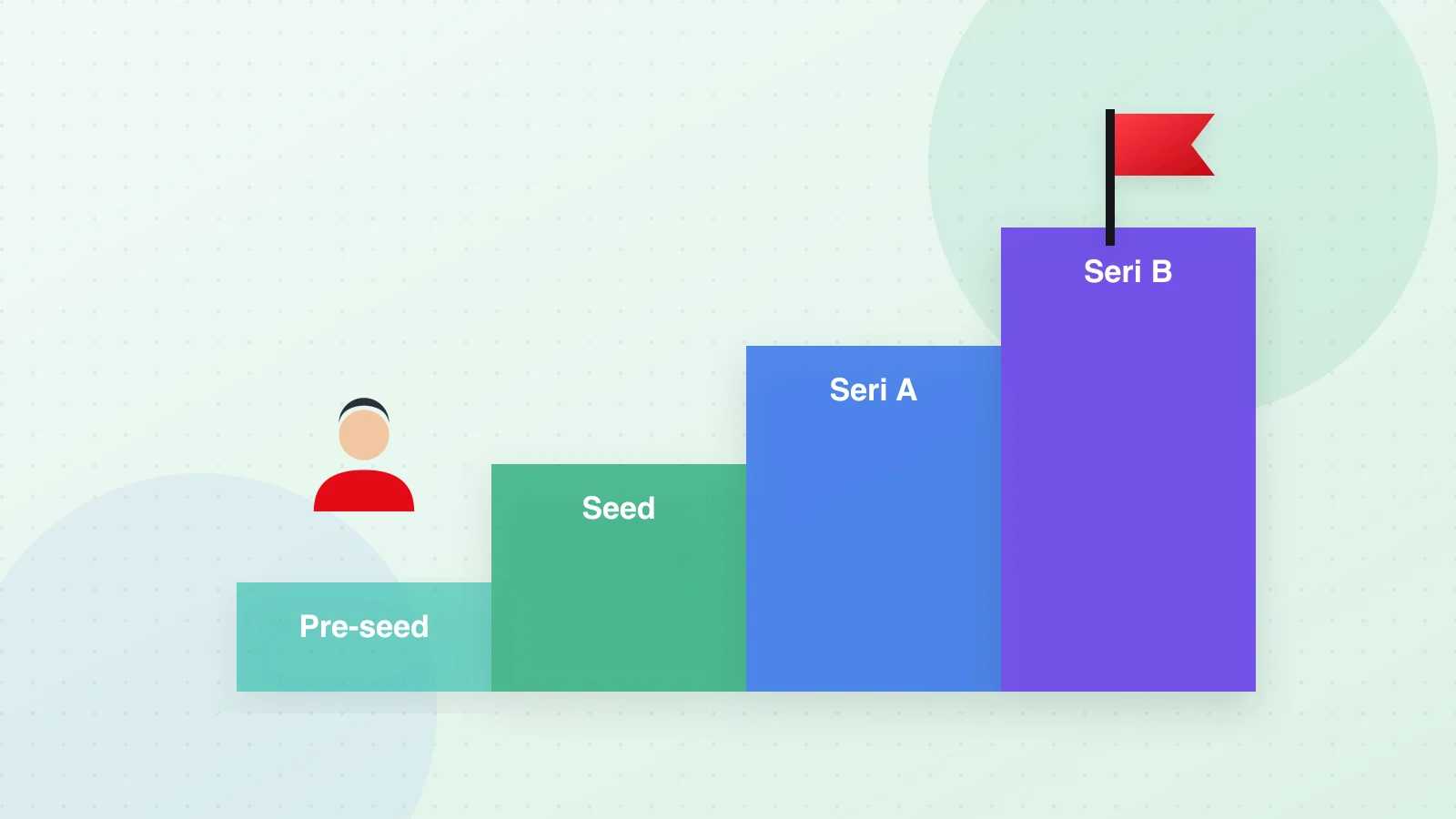
As startups grow they raise from different investors at different stages. Each round has its own expectations, investor profile and instruments. Defining your stage correctly lets you approach the right investor with the right story.
Pre-seed
- Goal: validate the idea, build an MVP, reach first users
- Expected: a strong team, a clear problem, early user signals if any
- Investors: founders' own money, friends and family, angels, grants, incubators
- Instruments: mostly convertible instruments or small equity investments
See our MVP guide and angel investor guide.
Seed
- Goal: reach product-market fit and find a first repeatable growth channel
- Expected: paying customers, a growth trend, retention data
- Investors: angel networks, seed funds, accelerators
- Instruments: priced round or convertibles
See our seed round guide.
Series A
- Goal: scale a proven model: sales, marketing and team
- Expected: clear product-market fit, strong revenue growth, healthy unit economics
- Investors: venture funds, usually with a lead investor
- Instruments: priced round with board seats and full investor rights
See our product-market fit guide and metrics guide.
Series B and beyond
- Series B: new markets, broader product range, larger organisation
- Series C and later: market leadership, acquisitions, preparing for an IPO or sale
- Investors: growth funds, international funds, corporate investors
Bridge rounds
If runway gets short between rounds, existing investors may provide a short-term bridge, usually via convertible instruments, buying time to reach the next round. See our cash flow guide.
Things to keep in mind
- Round names and sizes vary by market and period; milestones matter more than labels.
- Model your dilution at each round in advance; see our cap table guide.
- Make sure this round's money can produce the evidence needed for the next.
Conclusion
Each round is a chance to produce the evidence for the next one. Find investors for your stage by filtering our investors page.
This guide is for general information only and is not legal, financial or investment advice. Check official sources and consult professionals for current terms.